Why Language Learning Matters for Beginners
Learning a new language opens doors to better education, career opportunities, and cultural experiences. Whether you want to learn German, French, English, Italian, or Spanish, starting with the right approach makes the journey easier and more enjoyable. Focus on building basic vocabulary, practicing simple conversations, and studying a little every day. Modern apps, online courses, and interactive resources provide excellent language solutions for beginners, helping learners improve their reading, writing, listening, and speaking skills. With consistency and patience, anyone can gain confidence and communicate effectively in a new language while enjoying the lifelong benefits of multilingual learning.
Learning a new language may seem difficult at first, but with the right approach, anyone can make steady progress. Whether your goal is to travel, study abroad, advance your career, or connect with people from different cultures, choosing the right learning method can make all the difference. Today, countless language learning tools, apps, and online resources make it easier than ever to master a new language. This guide introduces practical language solutions for beginners learning German, French, English, Italian, or Spanish. By building a daily routine and practicing consistently, you’ll gain confidence and develop real communication skills faster than you expect.
Benefits of Learning a New Language
Learning another language offers many personal and professional advantages. It improves communication skills, expands career opportunities, and makes traveling more enjoyable. Language learning also strengthens memory, enhances problem-solving abilities, and helps you understand different cultures. Even practicing for just 20–30 minutes a day can lead to noticeable progress over time, making consistency the key to success.
Best Language Solutions for Beginners
If you’re just starting, focus on practical communication rather than mastering every grammar rule. English learners should build everyday vocabulary, practice basic grammar, and improve listening through simple conversations and movies with subtitles. German beginners can start with greetings, numbers, sentence structure, and pronunciation while listening to beginner-friendly podcasts. French learners benefit from flashcards, vocabulary lists, reading children’s books, and practicing common expressions. Italian is easier to learn through greetings, food vocabulary, travel phrases, and speaking aloud. Spanish beginners should focus on family vocabulary, numbers, daily conversations, listening exercises, and writing practice to build confidence quickly.
Tips to Learn Languages Faster
Successful language learners develop a consistent study routine. Practice every day, even if it’s only for 20 minutes. Learn useful vocabulary before moving to advanced grammar, and spend time listening and speaking regularly. Keep a notebook to review new words, use reliable language-learning apps, and revise previous lessons every week. Small daily improvements gradually lead to long-term fluency and better communication skills.

Common Beginner Mistakes to Avoid
Many beginners slow their progress by trying to memorize too much information at once or by fearing mistakes. Others ignore pronunciation practice, study without a clear schedule, or lose motivation too early. Remember that making mistakes is a natural part of learning any language. Treat every error as an opportunity to improve and continue practicing with confidence.
Stay Consistent and Enjoy the Learning Journey
Learning German, French, English, Italian, or Spanish is a rewarding experience when you stay patient and committed. Set realistic goals, celebrate small achievements, and practice the language whenever possible through reading, listening, writing, and speaking. With the right language solutions for beginners, consistent effort will help you become more confident and fluent over time.
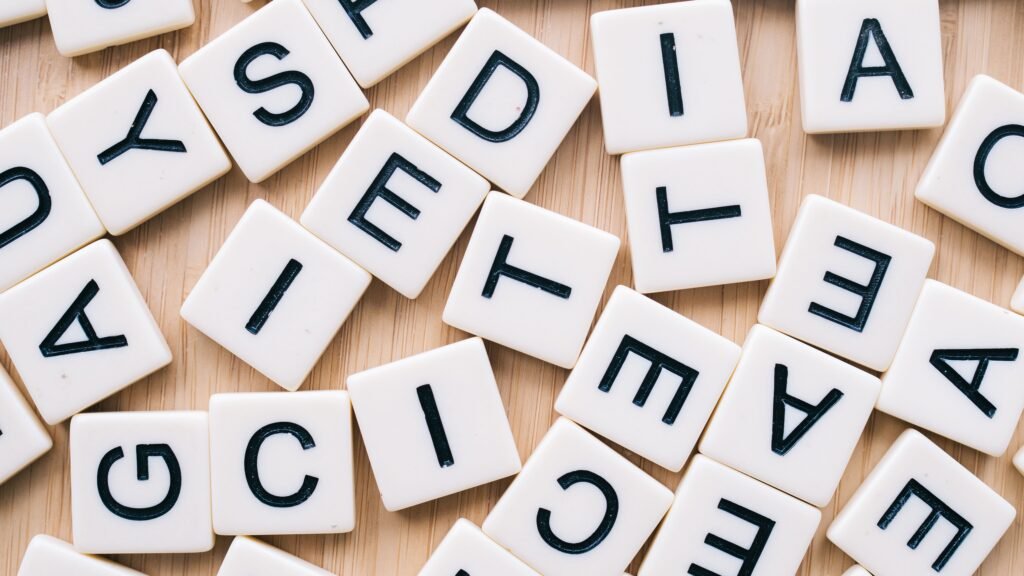
Why Learn a New Language?
Final Thoughts
Finding the right language solutions for beginners doesn’t require expensive courses or years of study. With consistent practice, simple learning resources, and realistic goals, anyone can begin speaking German, French, English, Italian, or Spanish. Focus on daily improvement rather than perfection, and your confidence will grow with every conversation.
FAQs
1. Which language is easiest for beginners?
Spanish is often considered one of the easiest languages due to its clear pronunciation and simple grammar.
2. How long does it take to learn a new language?
Basic conversational skills can often be developed within 6–12 months of consistent practice.
3. Should beginners learn grammar first?
It’s better to balance grammar with speaking, listening, and vocabulary practice.
4. Are language learning apps effective?
Yes. Apps combined with daily speaking and listening practice can significantly improve learning.
5. How much should beginners practice daily?
Around 20–30 minutes of focused daily practice is enough to build consistent progress.
