Meal Prepping for Athletes: Fuel Your Performance the Right Way
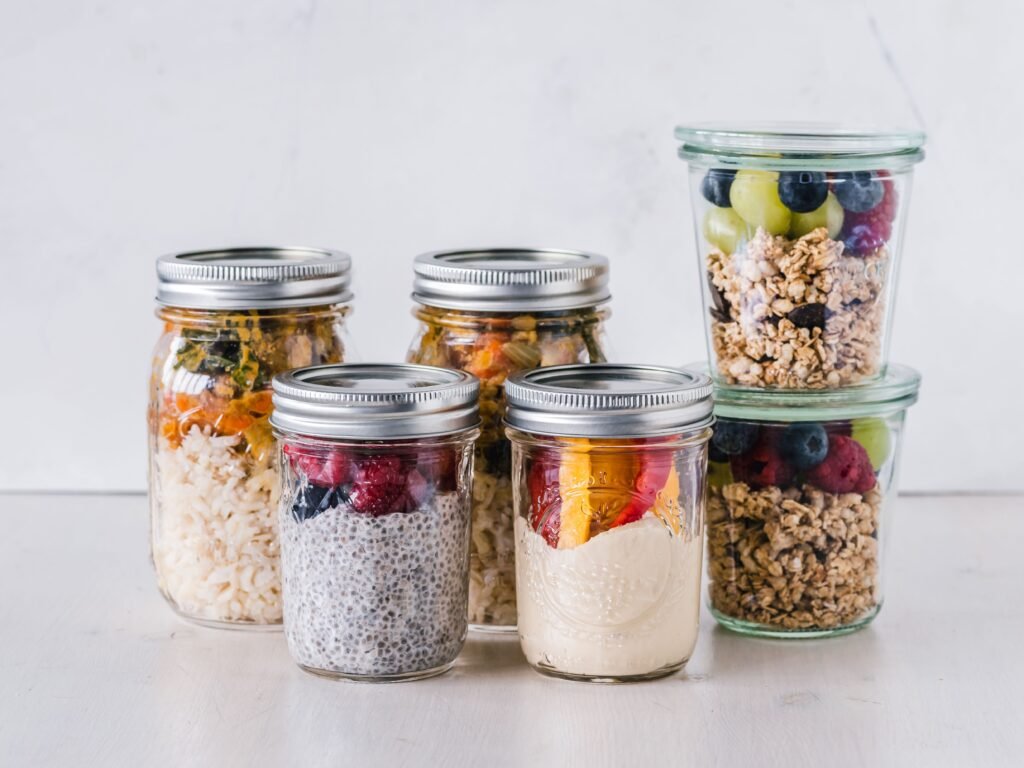
Smart Meal Prepping for Peak Athletic Performance
Effective meal prepping for athletes helps maintain energy, improve recovery, and support consistent performance. Planning balanced meals with lean protein, whole grains, healthy fats, fruits, and vegetables ensures your body receives the nutrients it needs before and after training. Preparing meals in advance also saves time and reduces the temptation to choose unhealthy foods. Staying hydrated and eating at the right times further enhances endurance and muscle recovery. By following a structured sports nutrition plan and healthy eating habits, athletes can boost athletic performance and stay ready for every training session and competition.
Proper nutrition is just as important as training for athletes. Meal prepping helps you stay consistent with healthy eating and ensures your body gets the nutrients it needs. Planning meals in advance saves time, reduces unhealthy food choices, and supports better performance. Whether you play cricket, football, basketball, or any other sport, a balanced meal plan can improve energy, recovery, and endurance.
Plan Your Meals Ahead
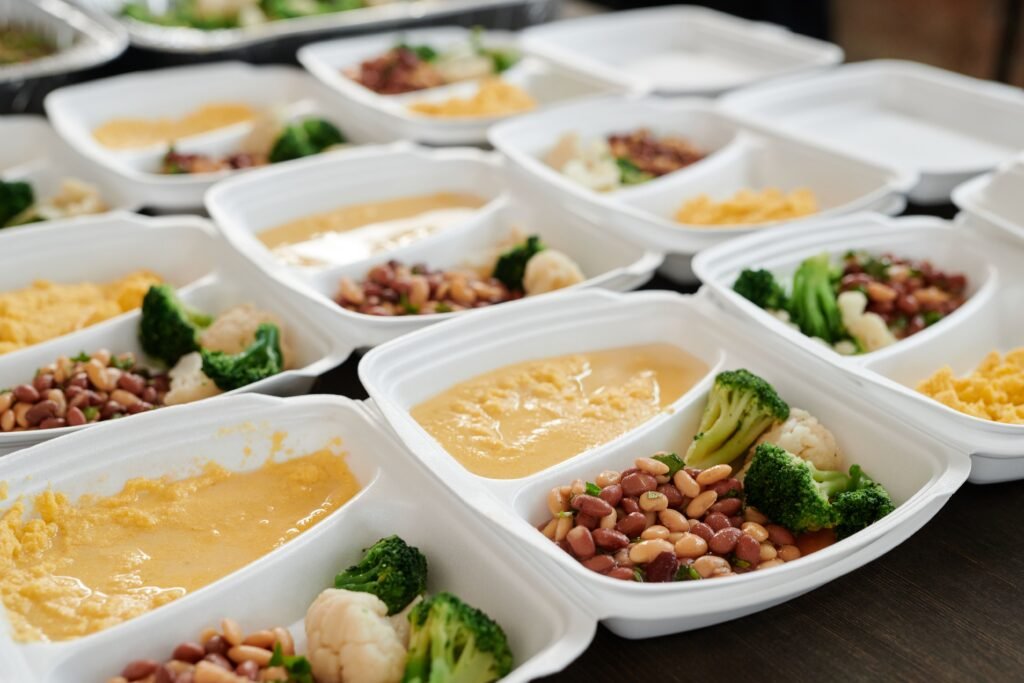
Start by creating a weekly meal plan based on your training schedule. Include breakfast, lunch, dinner, and healthy snacks. Preparing meals in advance helps you avoid skipping meals or relying on fast food. Consistency is the key to maintaining peak performance.
Focus on Balanced Nutrition
Every meal should include carbohydrates, lean protein, and healthy fats. Carbohydrates provide energy for training, protein supports muscle growth and recovery, and healthy fats promote overall health. Add fruits and vegetables for vitamins, minerals, and antioxidants that help the body recover after exercise.
Prepare Healthy Snacks

Athletes often need snacks between meals to maintain energy levels. Keep healthy options like bananas, apples, yogurt, mixed nuts, boiled eggs, or protein bars ready. These snacks provide quick nutrition before or after training sessions.
Stay Hydrated
Hydration is essential for athletic performance. Drink water throughout the day and increase your fluid intake during intense training or hot weather. After long workouts, replenish lost electrolytes with sports drinks or natural electrolyte-rich beverages when needed.
Cook in Batches
Preparing large portions of meals saves time and keeps healthy food available throughout the week. Store meals in airtight containers and refrigerate or freeze them for later use. Batch cooking helps athletes stay on track even during busy schedules.
Time Your Meals
Eat a balanced meal two to three hours before training to provide lasting energy. After exercise, consume a meal rich in protein and carbohydrates within one hour to support muscle recovery and restore energy levels.

Avoid Processed Foods
Limit sugary drinks, fried foods, and highly processed snacks. These foods provide little nutritional value and may affect energy levels and recovery. Choose whole foods whenever possible to fuel your body effectively.
Meal prepping is one of the smartest habits athletes can develop. It saves time, improves nutrition, supports recovery, and helps maintain consistent energy throughout the week. By planning meals, choosing healthy ingredients, staying hydrated, and eating at the right times, athletes can improve performance and recover faster. Good nutrition, combined with regular training, creates the foundation for long-term athletic success.
FAQs
1. Why is meal prepping important for athletes?
Meal prepping helps athletes eat balanced meals consistently, improve performance, and recover faster after training.
2. What foods should athletes include in meal prep?
Athletes should include lean protein, whole grains, fruits, vegetables, healthy fats, and plenty of water.
3. When should athletes eat after exercise?
A balanced meal with protein and carbohydrates should be eaten within one hour after training for optimal recovery.
4. Can meal prepping save time?
Yes. Preparing meals in advance reduces daily cooking time and makes healthy eating easier.
5. How does hydration affect sports performance?
Proper hydration supports endurance, prevents fatigue, regulates body temperature, and improves overall athletic performance.
