Smart Personal Budgeting: A Practical Guide to Managing Money Effectively

Take Control of Your Finances with a Simple Budget
Managing money doesn’t have to be stressful or complicated. A well-planned personal budget gives you a clear picture of where your income goes and helps you make smarter financial decisions. Whether you’re saving for a major purchase, paying off debt, or simply trying to avoid unnecessary expenses, budgeting provides the structure needed to stay on track. Instead of restricting your lifestyle, a realistic budget allows you to spend with confidence while preparing for future financial goals. By building healthy money habits and reviewing your finances regularly, you can reduce financial stress and create a more secure future for yourself and your family.
Understand Your Income and Expenses
The first step in successful budgeting is knowing exactly how much money comes in and how much goes out each month. List all sources of income, then categorize your expenses into essentials and non-essential spending. This simple exercise often reveals areas where you can save without making major sacrifices.
Essential Expenses Include:
- Housing or rent
- Utility bills
- Groceries
- Transportation
- Insurance
- Healthcare
Nonessential expenses include the following:
- Dining out
- Entertainment subscriptions
- Shopping
- Travel
- Hobbies
Set Realistic Financial Goals
A budget works best when it supports clear financial objectives. Set both short-term and long-term goals that motivate you to stay disciplined.
Examples include:
- Building an emergency fund.
- Saving for a vacation.
- Paying off credit card debt.
- Buying a new car.
- Investing for retirement.

Breaking larger goals into smaller monthly targets makes them easier to achieve.
Follow Budgeting Habits That Last
Consistency is more important than perfection. Small daily decisions can have a significant impact on your financial health over time.
Healthy Budgeting Tips
- Track every expense.
- Avoid impulse purchases.
- Review your budget monthly.
- Automate savings whenever possible.
- Use budgeting apps to monitor spending.
- Keep an emergency fund for unexpected expenses.
Review and Adjust Your Budget Regularly
Life changes, and your budget should change with it. Salary increases, new expenses, or shifting priorities may require adjustments throughout the year. Reviewing your budget every month helps you stay flexible while keeping your financial goals within reach.
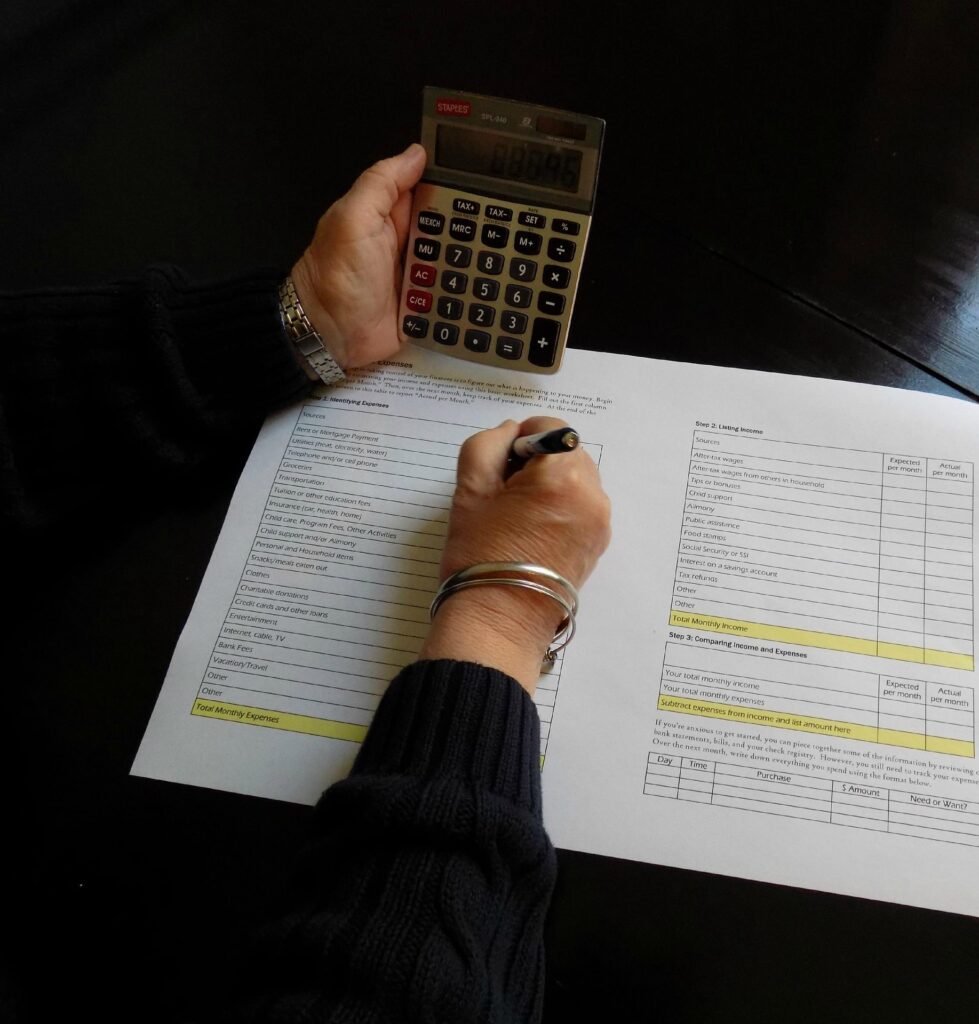
Managing your finances doesn’t have to be stressful. In fact, creating a personal budget is one of the most effective ways to take control of your money. First, calculate your monthly income and list all your essential and non-essential expenses. Next, identify areas where you can reduce unnecessary spending. Additionally, setting realistic financial goals helps you stay motivated and focused. As a result, you can build healthier spending habits while making steady progress toward long-term financial security.
Moreover, reviewing your budget regularly ensures it continues to match your financial needs and lifestyle. For example, changes in income or unexpected expenses may require you to adjust your spending plan. However, consistency is more important than perfection, so don’t be discouraged by occasional setbacks. Finally, make saving a monthly priority and track your progress over time. Ultimately, these simple budgeting habits will help you manage your money more confidently and achieve your financial goals.
Creating a practical personal budget is one of the most effective ways to improve your financial well-being. It helps you understand your spending habits, prepare for unexpected costs, and make steady progress toward your goals. The key isn’t creating the perfect budget—it’s creating one you can realistically maintain. With patience, discipline, and regular adjustments, budgeting becomes a valuable tool for building long-term financial stability.
Frequently Asked Questions (FAQs)
1. Why is personal budgeting important?
A personal budget helps you control spending, save money, reduce debt, and plan for future financial goals.
2. How often should I review my budget?
Review your budget at least once a month to ensure it reflects your current income, expenses, and financial priorities.
3. What is the easiest budgeting method?
The 50/30/20 rule is popular: 50% for needs, 30% for wants, and 20% for savings or debt repayment.
4. Can budgeting help reduce financial stress?
Yes. A clear budget provides better control over your finances, helping you avoid overspending and prepare for unexpected expenses.
