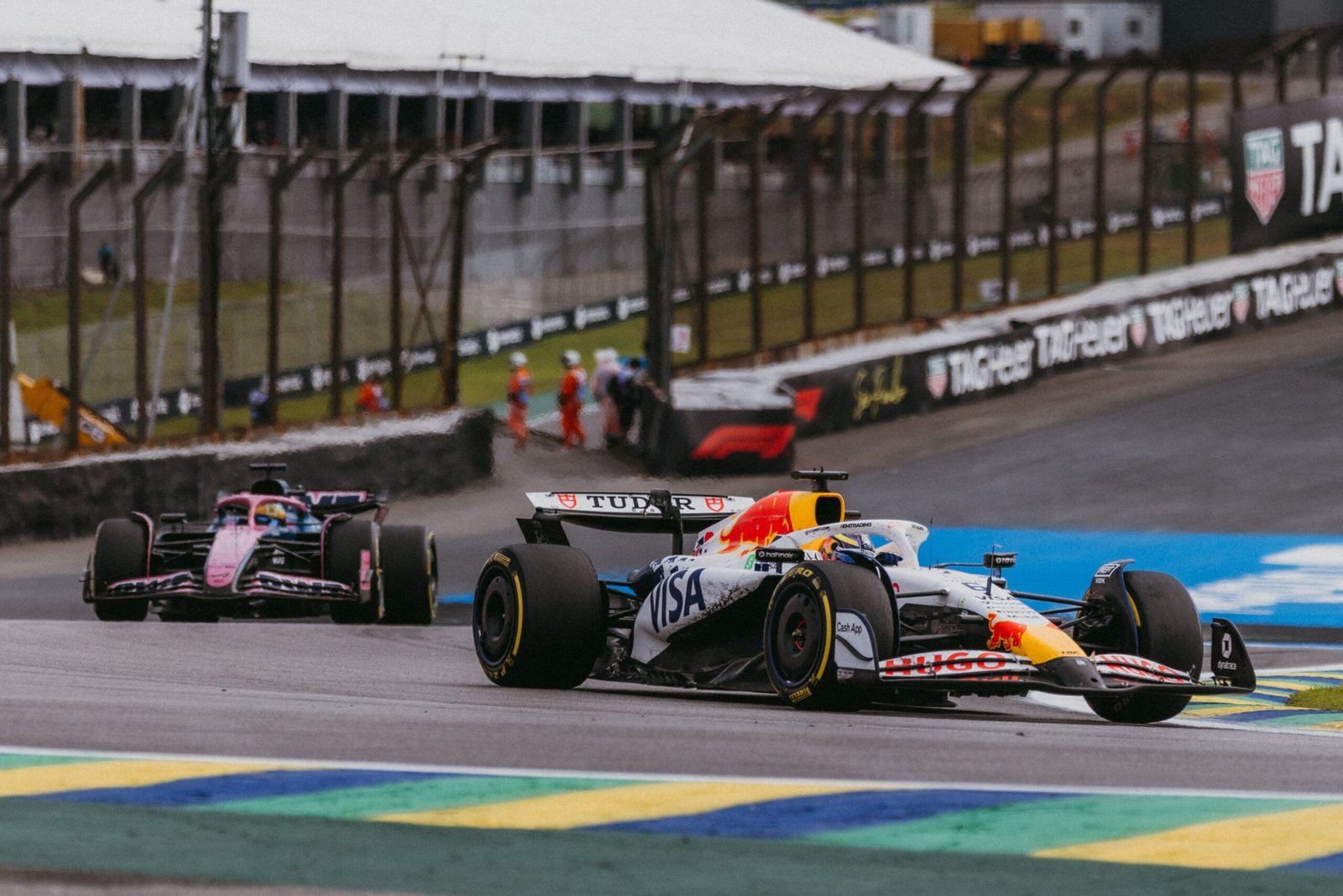
The São Paulo Grand Prix 2026 will bring Formula 1 back to Brazil from November 6 to November 8, as the championship enters its final stages. Hosted at the historic Autódromo José Carlos Pace, commonly known as Interlagos, the Brazilian race is one of the most anticipated events on the Formula 1 calendar. Its challenging corners, elevation changes, and unpredictable weather conditions regularly create exciting racing opportunities.
The 2026 Formula 1 season introduces a new generation of cars, updated technical regulations, and increased competition between established teams and new manufacturers. As the championship approaches its closing rounds, every result becomes increasingly important for drivers competing for the world championship and teams fighting for valuable constructors’ championship points.
Interlagos has a special place in Formula 1 history. The circuit has hosted memorable championship battles, dramatic overtakes, and emotional victories involving some of the sport’s greatest drivers. Brazilian supporters are also known for their enthusiasm, creating an energetic atmosphere throughout the Grand Prix weekend.
With the race scheduled for early November, the São Paulo Grand Prix will provide another important opportunity for drivers to demonstrate their performance during the closing part of the 2026 Formula 1 World Championship.
São Paulo Grand Prix 2026: Date and Event Details
The 2026 São Paulo Grand Prix will take place from Friday, November 6, to Sunday, November 8, at Interlagos in São Paulo, Brazil.
It is Round 20 of the 2026 Formula 1 World Championship, following the Mexican Grand Prix and preceding the Las Vegas Grand Prix.
Here are the main event details:
| Event Information | Details |
|---|---|
| Event | São Paulo Grand Prix 2026 |
| Sport | Formula 1 |
| Dates | November 6–8, 2026 |
| Country | Brazil |
| Venue | Interlagos |
| Official circuit name | Autódromo José Carlos Pace |
| Circuit length | 4.309 km |
| Race distance | 305.879 km |
| Number of laps | 71 |
| Race day | Sunday, November 8 |
| Race start. | 2:00 PM local time |
The Brazilian Grand Prix is particularly important because it takes place during the final part of the championship. Drivers and teams will be looking to maximize their results before the season moves towards Las Vegas, Qatar, and Abu Dhabi.
Interlagos Circuit: A Historic Formula 1 Venue
Interlagos is one of the most recognizable circuits in international motorsport. Located in São Paulo, the track has been part of Formula 1 history since the 1970s.
The circuit’s official name is Autódromo José Carlos Pace, named after Brazilian racing driver José Carlos Pace, who won the Brazilian Grand Prix in 1975.
Formula 1 first visited Interlagos for a World Championship race in 1973. Emerson Fittipaldi won the opening two Brazilian Grands Prix, while Pace secured victory in 1975.
Over the decades, the venue has become famous for its challenging layout, passionate spectators, and unpredictable race conditions.
The 4.309-kilometer circuit combines fast sections, technical corners, and significant elevation changes. Unlike some modern racing venues, Interlagos places considerable demands on drivers because it combines high-speed and low-speed sections.
The track also runs in an anti-clockwise direction, which adds another challenge to the physical demands of racing.
Its compact layout encourages close competition, while the combination of corners creates several opportunities for drivers to attack and defend positions.
Key Corners and Racing Challenges at Interlagos
Interlagos is known for producing exciting racing because of its distinctive circuit design.
One of its most famous sections is the Senna S, located immediately after the start-finish straight. Named after Brazilian Formula 1 legend Ayrton Senna, this sequence of corners is an important overtaking location.
Drivers must manage braking, steering, and acceleration carefully when approaching this section. A small mistake can affect their speed through the following corners.
Another important area is the middle sector, which contains a series of technical corners. These sections require precise car control and a balanced setup.
The final sector includes the climb towards the main straight, where drivers can benefit from good acceleration and aerodynamic efficiency.
The circuit’s elevation changes also influence racing strategy. Teams must consider how their cars perform across different sections rather than concentrating only on straight-line speed.
These characteristics make Interlagos an interesting challenge for engineers, drivers, and race strategists.
2026 São Paulo Grand Prix Weekend Schedule
The São Paulo Grand Prix will follow the traditional Formula 1 weekend format in 2026 rather than the Sprint format.
The weekend includes three practice sessions, qualifying, and the main Grand Prix.
The official schedule in São Paulo local time is:
| Date | Session | Local Time |
|---|---|---|
| Friday, November 6 | Free Practice 1 | 12:30 PM |
| Friday, November 6 | Free Practice 2 | 4:00 PM |
| Saturday, November 7 | Free Practice 3 | 11:30 AM |
| Saturday, November 7 | Qualifying | 3:00 PM |
| Sunday, November 8 | Drivers’ Parade | 12:00 PM |
| Sunday, November 8 | Grand Prix | 2:00 PM |
All times are subject to official schedule changes.
Friday: Practice and Car Setup
Friday will give teams their first opportunity to evaluate their cars at Interlagos.
Free Practice 1 will help drivers understand the circuit conditions, tire behavior, and overall car balance. Engineers will collect important information to prepare for the remaining sessions.
Free Practice 2 will provide another opportunity to evaluate performance and test different setup options.
Because the São Paulo weekend does not include an F1 sprint, teams will have three practice sessions before qualifying.
Saturday: Final Practice and Qualifying
Saturday will begin with the third practice session, giving drivers their final opportunity to prepare before qualifying.
Qualifying is scheduled for 3:00 PM local time.
The session will determine the starting grid for Sunday’s Grand Prix. Drivers will need to produce competitive lap times while avoiding traffic and managing their tires.
Starting position can be particularly important at Interlagos because the opening corners provide opportunities for overtaking, but mistakes can quickly affect a driver’s race.
Sunday: The Main Grand Prix
The main event will take place on Sunday, November 8, with the race scheduled to begin at 2:00 PM local time.
Drivers will complete 71 laps around the 4.309-kilometre circuit, covering approximately 305.879 kilometres.
Race strategy, tire management, and weather conditions will be important factors throughout the afternoon.
A strong start can help drivers gain positions, while effective pit-stop timing may create opportunities to challenge competitors.
Why the São Paulo Grand Prix Is Important for the Championship
The São Paulo Grand Prix arrives during a crucial period of the 2026 Formula 1 season.
With only a handful of races remaining after Brazil, championship contenders will be under pressure to deliver consistent performances.
The drivers’ championship remains the biggest individual prize in Formula 1. Every race offers opportunities to gain points, improve championship positions, and put pressure on rivals.
The constructors’ championship is equally important for teams. Each driver’s finishing position contributes towards the team’s overall points total.
A competitive result in Brazil could therefore influence both championship battles.
Teams that struggle during practice or qualifying will need to make important strategic decisions to recover positions during the race.
For drivers already leading the championship, avoiding unnecessary mistakes will be important. Those chasing the leaders may need to take greater risks to improve their position.
The São Paulo race could therefore have a significant impact on the direction of the championship before the final rounds.
Weather Conditions and Race Strategy at Interlagos
Weather is one of the most interesting aspects of the São Paulo Grand Prix.
Interlagos has a history of unpredictable weather, with changing conditions sometimes affecting practice, qualifying, and the main race.
Rain can create additional challenges for drivers because the circuit includes elevation changes, technical corners, and sections where grip levels can vary.
Teams must prepare different tyre strategies depending on the conditions.
Dry-weather racing generally allows teams to focus on slick tire selection, pit-stop timing, and tire degradation.
Wet-weather conditions introduce additional decisions involving intermediate and full wet tires.
The timing of a pit stop can become particularly important when weather conditions change during a race.
Safety cars and interruptions can also influence strategy. A well-timed pit stop may provide an advantage, while an incorrect decision can cost valuable positions.
Interlagos therefore requires teams to remain flexible and respond quickly to changing circumstances.
Ayrton Senna and Brazil’s Formula 1 Legacy
Brazil has produced some of the most celebrated drivers in Formula 1 history.
Ayrton Senna remains one of the most influential names associated with Brazilian motorsport. His driving ability, competitive determination, and achievements made him a global sporting icon.
Senna won three Formula 1 World Championships in 1988, 1990, and 1991. His performances at Interlagos also created a special connection with Brazilian supporters.
Emerson Fittipaldi and Nelson Piquet are two other important Brazilian champions.
Fittipaldi won two Formula 1 World Championships, while Piquet secured three titles during his career.
More recently, Brazil has continued to attract attention through the emergence of Gabriel Bortoleto, representing the country’s presence in the modern Formula 1 generation.
The Brazilian Grand Prix remains an important event for local motorsport supporters. The national racing history, passionate fans and famous circuit give the event a distinctive identity.
Where to Watch the São Paulo Grand Prix 2026
Formula 1 fans around the world will be able to follow the São Paulo Grand Prix through official broadcasting partners and regional sports networks.
F1 TV provides live coverage in supported markets, including access to race sessions, onboard cameras and additional race information depending on the subscription package.
Other viewers can check their local broadcasters for practice, qualifying and race coverage.
International availability differs by country, so fans should confirm their local television and streaming arrangements before the weekend begins.
The official Formula 1 website and social media channels will also provide news, session information, results and updates throughout the event.
Final Thoughts
The 2026 São Paulo Grand Prix will be an important event as Formula 1 approaches the closing stages of its championship season. From November 6 to November 8, Interlagos will host three days of practice, qualifying and Grand Prix competition.
The circuit’s historic character, challenging corners and unpredictable weather make it one of the most interesting venues on the Formula 1 calendar.
Although São Paulo will not host a Sprint race in 2026, the traditional Grand Prix format still offers plenty of opportunities for competitive racing and strategic battles.
With championship points becoming increasingly valuable, the Brazilian event could play an important role in determining the direction of the drivers’ and constructors’ championships.
Frequently Asked Questions (FAQs)
1. When is the São Paulo Grand Prix 2026?
The São Paulo Grand Prix 2026 will take place from November 6 to November 8 at the Interlagos circuit in São Paulo, Brazil.
2. Is the 2026 São Paulo Grand Prix a Sprint weekend?
No. São Paulo is not included in the official 2026 F1 Sprint calendar. The event will follow the traditional format with three practice sessions, qualifying and the main Grand Prix.
3. What time does the 2026 Brazilian Grand Prix start?
The main race is scheduled to start at 2:00 PM local time on Sunday, November 8, 2026.
4. How many laps are in the São Paulo Grand Prix?
The race consists of 71 laps around the 4.309-kilometre Interlagos circuit, covering a total distance of approximately 305.879 kilometres.
5. Why is Interlagos famous in Formula 1?
Interlagos is famous for its historic races, challenging circuit layout, unpredictable weather, and passionate Brazilian supporters. It is also closely connected to legendary drivers such as Ayrton Senna and Emerson Fittipaldi.