
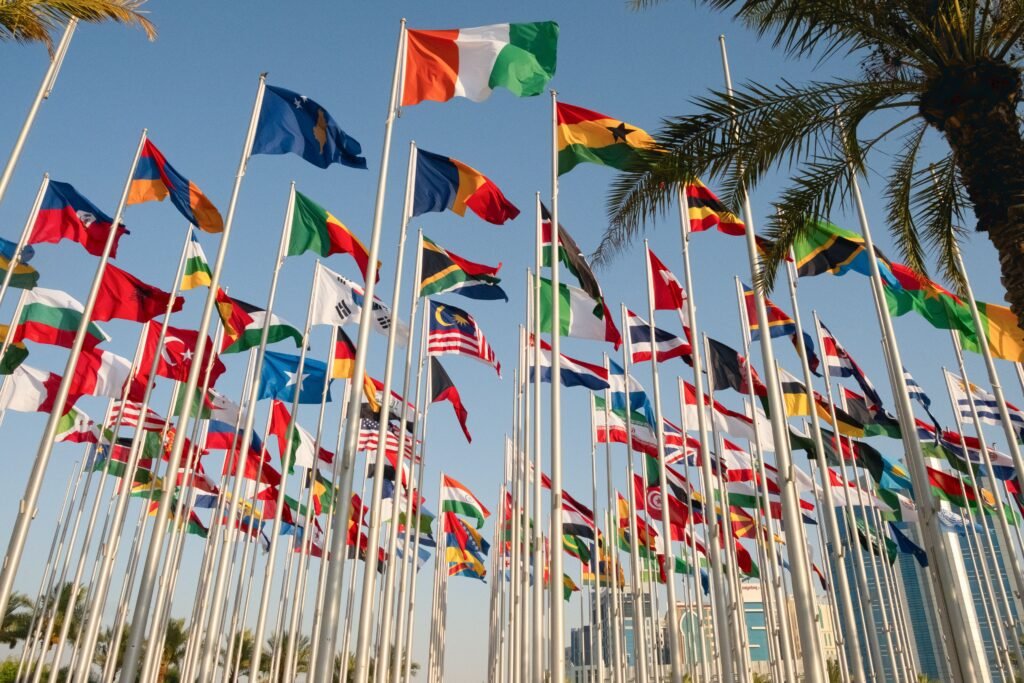
The ICC qualification pathway gives cricket nations a route to the sport’s biggest international tournaments. Instead of limiting major events to established teams, the system allows emerging sides to compete through regional and global qualifiers. The ICC regional qualifiers cover Africa, Asia, Europe, the Americas, and East Asia-Pacific, with successful teams moving closer to a World Cup place. The process has changed over time as ICC tournaments have expanded, especially in T20 cricket. The current T20 World Cup qualification system combines automatic berths with regional competition and, in some cycles, a global qualifying stage. This structure creates opportunities for developing cricket nations while making qualification a meaningful competition in its own right.
How the ICC Qualification Pathway Works
The ICC qualification pathway is designed as a series of stages rather than one single tournament. The exact format depends on the event, its number of teams, and the qualification rules approved by the ICC.
Regional competitions are normally the starting point for many Associate Members. Teams compete within their geographical regions before the strongest sides advance to a later stage. Some pathways use sub-regional tournaments first, followed by a regional final or qualifier.
This structure gives countries regular competitive cricket while creating a clear route toward the World Cup. It also means a team can progress through several levels before facing the strongest opponents in the global stage.
Regional Qualifiers Create the First Route
The ICC divides its development structure into five main regions: Africa, Asia, Europe, the Americas, and East Asia-Pacific. Each region has its own competitions and qualification arrangements.
The 2028 Men’s T20 World Cup pathway shows how this works. Regional qualification will provide eight places in the 16-team Global Qualifier. Africa, Asia, and Europe will each receive two places, while the Americas and East Asia-Pacific will each receive one.
Sub-regional competitions can make the journey even longer. In Europe, for example, teams entered three sub-regional events during 2026. Jersey, Denmark, and Portugal won their respective events and moved into the 2027 Europe Qualifier.
From Regional Competition to the Global Stage
A global qualifier provides another important step between regional cricket and the World Cup itself. Its purpose is to bring successful teams from different regions together and determine which nations deserve the remaining tournament places.
The system has developed significantly. Earlier T20 World Cup cycles used global qualifying events where regional winners competed alongside teams that entered through rankings or previous tournament performance. In the 2021 pathway, for example, eight teams came through regional events before joining other sides in two global qualifiers.
For the 2028 Men’s T20 World Cup, the ICC has proposed a 16-team Global Qualifier. Eight teams will enter directly based on their status after the 2026 tournament, while the other eight will come through regional qualification. The highest-placed team from each region at the Global Qualifier, plus the next three highest-ranked teams overall, will qualify, subject to minimum performance requirements.
Why the System Matters for Associate Nations
Qualification events are especially important for Associate Members. These teams may not have the same resources, playing schedules, or international exposure as cricket’s Full Members.
Regional tournaments give them competitive matches with teams of similar strength. Success can then lead to stronger opposition and greater international attention. A qualification campaign can also provide valuable experience for players who rarely face established international sides.
Recent European results show the potential of the pathway. Portugal’s 2026 victory over Spain secured a place in the 2027 Europe Qualifier and kept Portugal’s route to the 2028 T20 World Cup alive.
The pathway therefore works as both a qualification system and a development structure. It can help broaden cricket’s international reach without removing the competitive standards required for a place at a major ICC tournament.
How the Pathway Has Changed
ICC qualification has become more structured as major tournaments have expanded. The 2024 Men’s T20 World Cup, for instance, featured 20 teams, with eight places available through regional qualification after 12 teams secured automatic berths. Africa, Asia, and Europe each received two qualification places, while the Americas and East Asia-Pacific received one each.
The 2026 Men’s T20 World Cup also influenced the next qualification cycle. The teams reaching the Super Eights secured automatic places at the 2028 tournament, while Australia and New Zealand qualified as co-hosts. The remaining places then moved into a regional pathway.
This shows an important feature of ICC qualification: the format can change from one tournament cycle to another. Fans should always check the specific rules for the event they are following.
What Fans Should Know About Qualification
Qualification results can matter long before the main World Cup begins. A match in a regional qualifier may determine whether a team moves forward, while a single defeat can end its campaign.
Fans should also understand that automatic qualification, rankings, and regional results can all play different roles. A team may qualify directly because of tournament performance or rankings, while another must fight through several regional stages.
The 2028 Men’s T20 World Cup pathway is a good example. Twelve teams have already secured places through the 2026 tournament and rankings, while the remaining route involves regional qualification and a global qualifier. Scotland has a special direct entry into the Europe Regional Final because of the circumstances surrounding its participation in the 2026 tournament.
The bigger picture is clear. The ICC qualification pathway connects local and regional cricket with the global game. It gives established teams a route based on performance while giving developing nations a realistic opportunity to reach the world’s biggest cricket stages. As ICC tournaments continue to grow, regional and global qualifiers will remain an important part of how international cricket expands.
Associate teams that qualified for the ICC Men’s T20 World Cup 2026:
- Canada—qualified through the Americas Qualifier
- Italy—qualified through the Europe Qualifier
- Namibia—qualified through the Africa Qualifier
- Nepal—qualified through the Asia/East Asia-Pacific Qualifier
- Netherlands—qualified through the Europe Qualifier
- Oman—qualified through the Asia/East Asia-Pacific Qualifier
- UAE—qualified through the Asia/East Asia-Pacific Qualifier
Scotland also participated in the 2026 T20 World Cup as an associate nation, but it did not qualify through a regional qualifier. Scotland entered after Bangladesh withdrew and was selected as the highest-ranked team that had not otherwise qualified.
The USA was also an Associate nation and played in the 2026 tournament, but its place came from its performance at the 2024 T20 World Cup rather than the regional qualification pathway.
Frequently Asked Questions
What is the ICC qualification pathway?
The ICC qualification pathway is the system used to determine which cricket teams reach major ICC tournaments. Depending on the event, teams can qualify through rankings, automatic berths, regional tournaments, global qualifiers, or a combination of these methods.
Which regions take part in ICC qualifiers?
The ICC qualification structure uses five main regions: Africa, Asia, Europe, the Americas, and East Asia-Pacific. The number of qualifying places allocated to each region depends on the tournament format and the ICC’s approved qualification rules.
What is an ICC Global Qualifier?
An ICC Global Qualifier brings teams together after earlier qualification stages. It gives successful regional teams another opportunity to reach a major tournament. The number of teams and available World Cup places can change between different ICC tournament cycles.
Can Associate teams qualify for an ICC World Cup?
Yes. Associate members can progress through regional and global qualification events to reach ICC World Cups. Recent pathways have provided multiple routes for developing cricket nations to compete for places against stronger international teams.
Does every ICC tournament use the same qualification system?
No. Qualification rules vary between tournaments. Some events use rankings and automatic places, while others rely more heavily on regional or global qualifiers. Fans should check the official pathway for each specific ICC competition.