
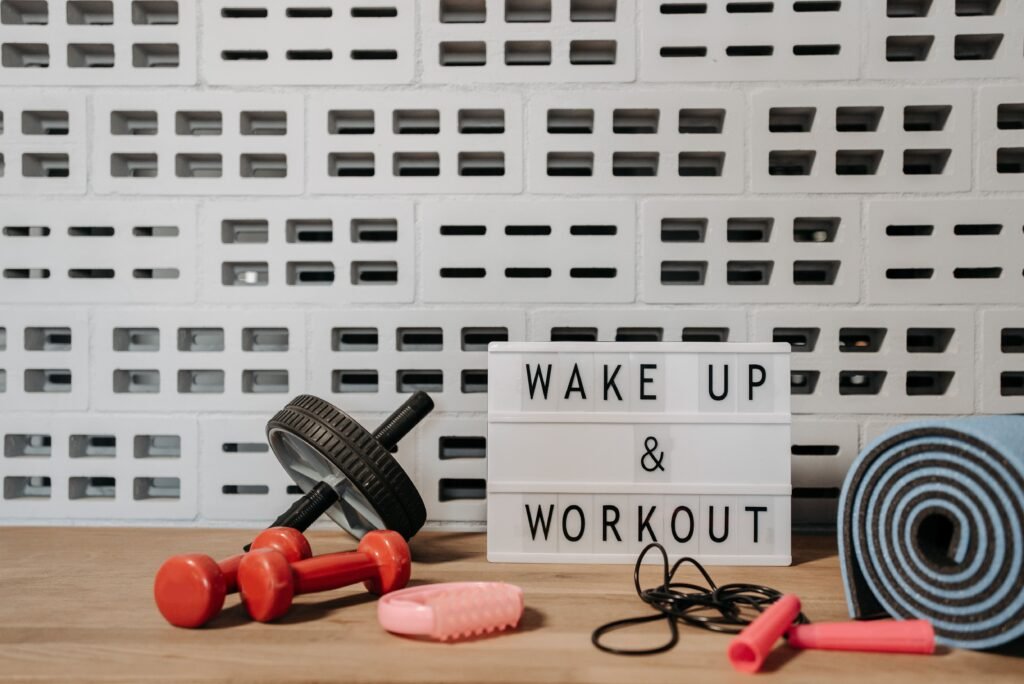
Starting a fitness routine is easy. Staying with it is harder. Beginners often rely on motivation alone, then lose momentum when workouts become tiring or daily schedules get busy. The better approach is to build simple habits that make exercise easier to maintain. Fitness motivation tips for beginners should focus on realistic goals, manageable workouts, progress tracking, and routines that fit everyday life. Motivation can change from day to day, but a consistent system reduces the need to depend on it. This guide explains practical ways to stay committed, handle setbacks, and build a fitness routine that can continue long after the excitement of starting has faded.
Why Motivation Changes During Fitness Training
Motivation is influenced by several factors, including mood, stress, sleep, workload, and previous experiences with exercise. Therefore, expecting motivation to remain high every day is unrealistic. Beginners need a system that still works when motivation drops.
Exercise can also create positive feedback. Physical activity can improve mood and reduce stress for many people. Over time, completing workouts can strengthen confidence and make exercise feel more familiar.
However, motivation should not be confused with discipline. Motivation helps you start. Routine helps you continue.
Another important factor is progress. Beginners may expect visible changes within days. In reality, improvements in strength, endurance, movement quality, and fitness can appear before major body-composition changes.
For example, adding a few repetitions to an exercise is measurable progress. Walking farther without becoming tired is another useful sign. These small improvements can reinforce the habit.
The goal is therefore not to feel motivated every morning. The goal is to create a routine that is easy enough to follow consistently.

Step-by-Step Fitness Motivation Action Plan
A simple structure can make exercise easier for beginners. Use these steps to build a sustainable routine.
1. Set One Clear Goal
Choose one primary goal for the first eight to twelve weeks.
Examples include:
- Building basic strength
- Improving cardiovascular fitness
- Losing body fat gradually
- Exercising three times per week
- Improving mobility
Avoid setting five major goals at once. A narrow target makes progress easier to measure.

2. Start With Three Weekly Workouts
Beginners do not need to train every day.
Start with three sessions per week. Each workout can last around 30–45 minutes.
A basic session can include:
- 5–10 minutes of warm-up
- 20–30 minutes of strength or cardio training
- 5 minutes of easy movement afterward
Leave recovery days between demanding sessions when possible.

3. Use the Minimum-Effort Rule
On difficult days, reduce the workout instead of skipping it automatically.
For example, complete a 10-minute walk or a short mobility session. This keeps the habit active without forcing a hard workout when energy is low.
4. Track Simple Progress
Record workouts, repetitions, walking time, or distances.
You can also note your energy and recovery. These records provide evidence that your effort is producing change.
5. Build a Consistent Schedule
Choose specific training times. Morning, lunch, or evening can all work.
The best time is the one you can repeat.

Pro-Trainer Tip
Do not wait until you feel motivated to exercise. Prepare your clothes, shoes, and workout plan in advance. Reducing small decisions makes starting easier, especially on low-energy days.
Nutrition & Recovery Support
Nutrition and recovery can strongly influence training consistency. Poor sleep and inadequate food intake can make workouts feel harder than expected.
Aim for balanced meals containing protein, carbohydrates, healthy fats, vegetables, and fruit. Protein supports muscle repair, while carbohydrates provide useful fuel for many forms of exercise.
Hydration also matters. Drink regularly throughout the day and increase fluid intake when training conditions cause greater sweat loss.
Sleep deserves equal attention. Most adults should aim for at least seven hours of sleep per night, although individual needs vary.
Recovery days are not wasted days. They allow the body to adapt to training and help beginners return to their next session with better energy.
Most beginners don’t need supplements. A consistent diet, regular training, and adequate sleep should come first.

Common Fitness Motivation Mistakes
Mistake 1: Starting Too Hard
Training intensely every day can create excessive soreness and fatigue.
Fix: Begin with manageable sessions and increase workload gradually.
Mistake 2: Expecting Fast Results
Body changes rarely happen overnight.
Fix: Track performance, consistency, and fitness improvements as well as appearance.
Mistake 3: Depending Only on Motivation
Motivation naturally rises and falls.
Fix: Schedule workouts like other important appointments.
Mistake 4: Comparing Yourself With Others
Different people have different training histories, genetics, schedules, and goals.
Fix: Compare current performance with your own previous results.

Frequently Asked Questions
Q1: How long does it take to see fitness results?
Results vary by training history, nutrition, sleep, genetics, and goals. Beginners may notice better energy, coordination, and exercise performance before visible physical changes appear.
Q2: Is exercise motivation difficult for beginners?
It can be. New routines require effort and planning. Starting with short workouts and realistic goals can make exercise easier to maintain while habits develop.
Q3: Do beginners need supplements for fitness progress?
Most beginners do not need supplements to start exercising. A balanced diet, sufficient protein, adequate hydration, and good sleep provide the foundation for progress.
Q4: How can beginners avoid exercise-related injuries?
Start gradually, learn correct technique, warm up, and allow recovery between demanding sessions. Stop and seek professional advice if you experience persistent or severe pain.
Q5: Is motivation better than discipline for fitness?
Neither works alone. Motivation can encourage you to begin, while a consistent routine helps you continue when motivation is low. For beginners, building simple habits is often more practical.