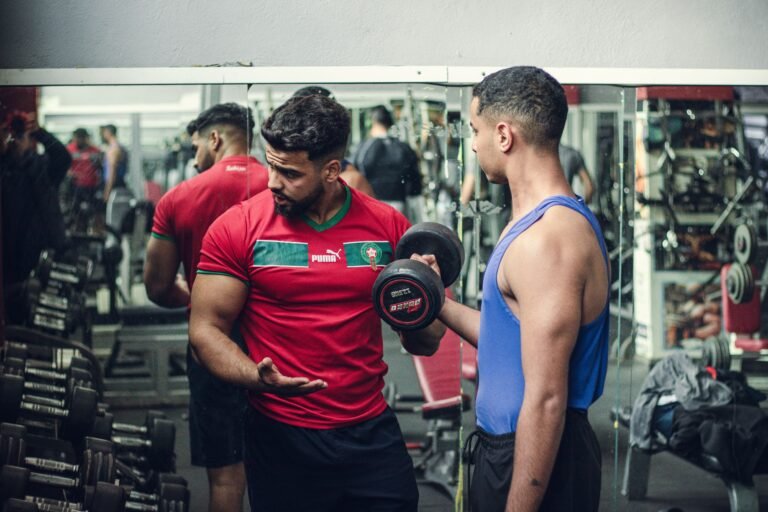

GLP-1 medications have changed the conversation around weight loss, obesity treatment, and long-term health. Medicines such as semaglutide and liraglutide, along with tirzepatide, which acts on both GIP and GLP-1 receptors, can help eligible people manage their weight by reducing appetite and improving feelings of fullness. However, weight loss involves more than seeing a lower number on the scale. One important concern is how much of the weight lost comes from body fat and how much comes from lean tissue, including muscle. This is where fitness and muscle preservation become essential. Strength training, adequate protein intake, balanced nutrition, and proper recovery can help people maintain strength while losing weight. Understanding the GLP-1 effect on fitness and muscle preservation can help individuals make better decisions about exercise, nutrition, and healthy weight management. With appropriate medical guidance and a consistent fitness routine, people using these medicines can work toward healthier body composition and better physical function.
What Are GLP-1 Medications?
GLP-1 stands for glucagon-like peptide-1, a hormone involved in blood sugar regulation, appetite, and digestion. GLP-1 receptor agonists mimic some of this hormone’s effects. They can help regulate blood glucose and make people feel full for longer.
Common medications in this category include semaglutide and liraglutide. Tirzepatide acts on both GIP and GLP-1 receptors and is often discussed alongside GLP-1 medicines because of its effects on weight management.
Depending on the specific medicine, these treatments may be prescribed for type 2 diabetes, chronic weight management, or other approved indications. They are not suitable for everyone and should be used under professional medical supervision.
How Do GLP-1 Medicines Support Weight Loss?
These medicines can reduce hunger, increase feelings of fullness, and help people consume fewer calories. Some also slow stomach emptying, although this effect varies over time and between medicines.
When the body consistently receives fewer calories than it uses, weight loss can occur. However, the body does not lose fat alone. Some lean tissue may also be lost during substantial weight reduction, whether weight loss occurs through medication, dietary changes, or other methods.
That is why a weight management plan should consider strength, muscle function, and overall health—not just body weight.
The GLP-1 Effect on Muscle Preservation
Muscle preservation is one of the key considerations during significant weight loss. Skeletal muscle supports movement, balance, physical performance, and everyday activities. It also contributes to metabolic health.
When calorie intake falls sharply, the body may break down some muscle tissue alongside stored fat. The amount of lean tissue lost varies according to factors such as starting body composition, the rate of weight loss, protein intake, physical activity, age, and individual health.
Does GLP-1 Weight Loss Cause Muscle Loss?
GLP-1 medications do not simply target muscle and cause it to disappear. Instead, muscle loss can occur as part of the body’s response to weight reduction.
Body-composition studies of weight-loss treatments have found that some lost weight may come from lean mass. However, lean mass is not identical to skeletal muscle: it also includes water and other non-fat tissues. Therefore, a reported reduction in lean mass does not necessarily mean the same amount of actual muscle has been lost.
The main goal is to lose excess body fat while preserving as much useful muscle and strength as possible.
Why Muscle Matters During Weight Loss
Maintaining muscle helps people remain active and independent. It can also support exercise performance and make everyday tasks, such as climbing stairs, carrying shopping bags, and standing up from a chair, easier.
Muscle preservation is particularly important for older adults and people who already have low muscle mass or reduced physical function. Rapid weight loss without suitable nutrition and exercise may increase the risk of weakness and reduced physical capacity.
The Importance of Strength Training During GLP-1 Treatment
Strength training is one of the most useful tools for protecting muscle during weight loss. It provides muscles with a reason to maintain their size and function, even when calorie intake is lower.
People who are new to exercise can start with simple movements and gradually increase the challenge.
Best Strength Exercises for Muscle Preservation
A balanced routine can include:
- Squats or chair sit-to-stands: Strengthen the legs and support everyday movement.
- Wall push-ups or standard push-ups: Train the chest, shoulders, and arms.
- Resistance-band rows: Strengthen the upper back and arms.
- Hip bridges: Target the glutes and support hip strength.
- Step-ups: Build lower-body strength and functional fitness.
- Light dumbbell exercises: Provide adjustable resistance for different muscle groups.
Beginners can start with two sessions per week, using manageable resistance and focusing on good technique. Over time, they can gradually increase resistance, repetitions, or sets as their strength improves.
People with existing medical conditions, significant weakness, joint problems, or exercise limitations should ask a healthcare professional or qualified trainer how to adapt their routine.
How Often Should You Exercise?
A practical starting point is strength training two or three days per week, with recovery time between sessions. Walking, cycling, swimming, and other aerobic activities can complement resistance exercise by supporting cardiovascular fitness.
The best plan is one that fits the person’s health, energy levels, and ability. Consistency is more important than following an intense routine that is difficult to maintain.
Protein and Nutrition: Supporting Muscle While Losing Weight
Protein provides amino acids needed to repair and maintain muscle tissue. When appetite decreases during GLP-1 treatment, some people may struggle to eat enough food, making meal planning especially important.
A balanced eating pattern can help people meet their nutritional needs without relying on very large meals.
How Much Protein Do You Need?
Protein requirements vary with age, body size, activity level, health conditions, and weight-loss goals. For many healthy adults, the general recommended dietary allowance is approximately 0.8 grams of protein per kilogram of body weight per day. People who exercise regularly or are trying to preserve muscle during weight loss may benefit from a higher intake, but the appropriate amount depends on individual circumstances.
For example, a healthy adult weighing 70 kilograms would need about 56 grams of protein daily at the general allowance of 0.8 grams per kilogram. This is a basic reference point, not a personalized target for someone undergoing weight-loss treatment.
People with kidney disease or other conditions that affect protein requirements should seek individualized medical or dietetic advice.
Protein-Rich Foods to Include
Useful sources of protein include:
- Eggs and low-fat dairy products.
- Chicken, fish, and other lean meats.
- Lentils, beans, and chickpeas.
- Tofu and other soy foods.
- Milk, yogurt, and cottage cheese.
- Nuts and seeds as part of a balanced diet.
Eating protein across several meals may make it easier to meet daily needs. If large meals cause discomfort, smaller meals and snacks may be more manageable.
Do Not Ignore Other Nutrients
Protein is important, but it is not the only nutritional priority. Vegetables, fruit, whole grains, healthy fats, and adequate fluids help provide the vitamins, minerals, fibre, and energy needed for general health.
Very restrictive diets can make it harder to meet nutritional needs. A sustainable approach should provide enough nourishment to support normal body functions, exercise, and recovery.
Managing Reduced Appetite and Exercise Fatigue
Some people taking GLP-1 medicines experience nausea, vomiting, constipation, diarrhoea, or other digestive symptoms. Reduced food intake can also leave them feeling tired, particularly when they do not consume enough fluids or nutrients.
Practical Ways to Support Energy Levels
Try these general strategies:
- Eat smaller, balanced meals if large portions feel uncomfortable.
- Include a suitable protein source with meals.
- Drink fluids regularly throughout the day.
- Avoid pushing through hard workouts when feeling unwell or dizzy.
- Increase exercise intensity gradually as energy and tolerance allow.
- Allow sufficient time for sleep and recovery.
Persistent vomiting, difficulty keeping fluids down, severe abdominal pain, or signs of dehydration require prompt medical assessment. Do not change the dose or stop a prescribed medication without discussing the decision with your healthcare professional, unless you have been given specific instructions for an urgent reaction.
Can Cardio Help Preserve Muscle?
Cardiovascular exercise has important benefits, including improved heart health, endurance, and blood pressure. Walking, swimming, cycling, and other activities can help people stay active throughout weight loss.
However, cardio alone is not the most direct strategy for maintaining muscle. Resistance training provides a more specific stimulus for muscle strength and function.
A combination of resistance exercise and aerobic activity is generally a useful approach. The balance should reflect the person’s current fitness, health, preferences, and recovery needs.
Monitoring Progress Beyond the Scale
Body weight can provide useful information, but it does not show the complete picture. A person may become stronger or improve physical fitness even when weight changes slowly.
Consider tracking several measures:
- Strength: Are exercises becoming easier?
- Energy: Is daily activity becoming more manageable?
- Physical function: Can you climb stairs or walk longer with less difficulty?
- Exercise consistency: Are you completing regular training sessions?
- Nutrition: Are you eating enough to support health and recovery?
- Body composition: When clinically appropriate, is there evidence of changes in fat and lean mass?
Measurements such as body-composition scans can provide additional information, but methods differ in accuracy and may be affected by hydration. They should be interpreted in context rather than treated as perfect measurements of muscle.
If strength declines significantly, fatigue persists, or weight falls very rapidly, discuss the situation with your healthcare team. Your treatment and nutrition plan may need review.
A Simple Weekly Fitness Plan for Muscle Preservation
The following example offers a starting framework for an otherwise healthy beginner. Adjust it to your ability and medical advice.
Monday: Full-body strength training
Perform chair squats, wall push-ups, resistance-band rows, and hip bridges. Start with one or two manageable sets of each movement.
Tuesday: Walking
Take a comfortable 20–30-minute walk, or divide it into shorter sessions.
Wednesday: Recovery and mobility
Use gentle stretching or easy movement, provided it feels comfortable.
Thursday: Full-body strength training
Repeat the main exercises, adjusting resistance or repetitions only when your technique remains controlled.
Friday: Light cardio
Choose walking, cycling, swimming, or another activity suited to your fitness level.
Saturday: Enjoyable movement
Try a relaxed walk, recreational activity, or another form of exercise you enjoy.
Sunday: Rest and meal planning
Prioritize sleep, recovery, hydration, and planning balanced meals for the coming week.
Beginners may need less activity initially. The aim is to build a routine gradually rather than force a fixed schedule.
The Role of Medical Supervision
GLP-1 medicines can be effective treatments, but they require appropriate prescribing and follow-up. A healthcare professional can assess whether a medication is suitable, monitor side effects, review other medicines, and help manage changes in weight and health.
A registered dietitian can provide individualized advice about protein, calorie intake, and nutrient adequacy. A qualified fitness professional can help design a resistance-training plan that suits your current strength and mobility.
People with diabetes who use insulin or certain other glucose-lowering medicines may need additional monitoring because changes in food intake and activity can affect blood glucose and medication requirements.
It is also important to discuss treatment duration, long-term weight management, and what may happen if medication is discontinued. Avoid using prescription weight-loss medicines without medical supervision or changing doses to accelerate results.
The GLP-1 effect on fitness and muscle preservation involves more than losing weight. These medicines can help eligible people manage their weight, but preserving strength and physical function requires attention to nutrition, resistance training, recovery, and overall health. Adequate protein, balanced meals, regular movement, and medical follow-up can all contribute to a more sustainable approach. The most useful measure of progress is not simply how quickly body weight falls, but whether health, strength, and everyday function are being maintained or improved. With an individualized plan, people can pursue weight-management goals while giving muscle preservation the attention it deserves.
Frequently Asked Questions
1. Do GLP-1 medications cause muscle loss?
Some people lose lean tissue during weight loss while taking GLP-1 medicines. However, lean mass includes more than skeletal muscle, and the amount of muscle lost varies between individuals. Strength training, adequate nutrition, and medical monitoring can help reduce the risk.
2. What is the best exercise for preserving muscle on GLP-1 medication?
Resistance training is particularly useful because it challenges muscles and supports strength. Exercises such as squats, rows, push-ups, and resistance-band movements can be adapted to different fitness levels. A suitable routine should also include recovery time.
3. How much protein should I eat while taking GLP-1 medication?
Protein needs depend on body size, age, activity, health, and weight-loss goals. The general adult allowance is around 0.8 grams per kilogram of body weight daily, although some people may need more during weight loss or regular training. A healthcare professional or dietitian can help establish an appropriate target.
4. Can I build muscle while losing weight on GLP-1 medication?
Some people, particularly beginners to resistance training, may gain muscle or improve strength during weight loss. Results depend on training experience, nutrition, recovery, and other individual factors. Preserving existing muscle may be a more realistic goal for some people.
5. Should I stop GLP-1 medication if I am worried about muscle loss?
Do not stop or change prescribed medication on your own. Discuss your concerns with your prescribing healthcare professional. They can review your weight-loss rate, nutrition, strength, side effects, and treatment goals and help determine whether any changes are appropriate.