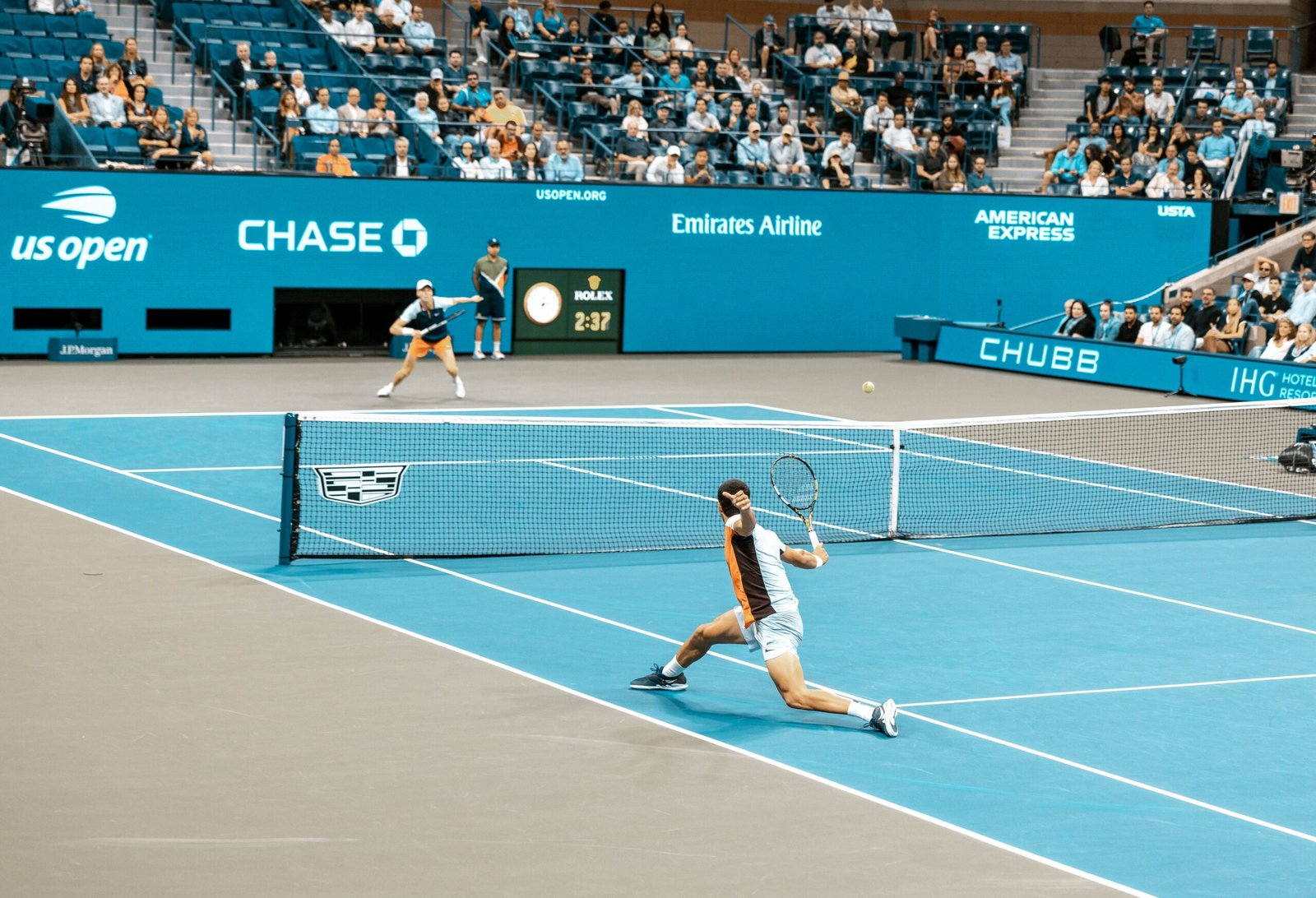
Great Britain is the only nation to have played in every Davis Cup since 1900, and its ten titles, the latest in 2015 under captain Leon Smith, place it joint third on the all-time list. In 2026, Britain beat Norway 4-0 in the Qualifiers first round, with Jack Draper returning from injury. This weekend, 19-20 September, the team hosts Ecuador at London’s Copper Box Arena, its first home tie since 2024. Ecuador knocked out Australia in the first round, so it is a dangerous opponent. The winner reaches the Final 8 in Bologna in November. Cam Norrie has withdrawn due to injury and has been replaced by Harry Wendelken.
Few teams have a stronger claim to tennis royalty than Great Britain. The Davis Cup, often called the “World Cup of Tennis,” has a British story that stretches back to the very first tie, and it is still being written in 2026. Here is a guide to the GB Davis Cup team: its history, its current players, and what is at stake this weekend.
Great Britain’s Davis Cup History
Great Britain is the only nation to have competed in every edition of the tournament since its creation. The competition began in 1900 as a contest between the British Isles and the United States, and Britain has been part of it ever since.
The trophy cabinet is impressive. Britain has lifted the Davis Cup ten times, which places it joint third on the all-time list with France, behind the United States and Australia. Those titles came in three waves:
- 1903 to 1906: Four consecutive titles in the competition’s early years.
- 1912: A further victory before the First World War.
- 1933 to 1936: Four in a row, powered by the legendary Fred Perry.
- 2015: The most recent triumph, which ended a 79-year wait.
The 2015 win is the one modern fans remember best. Andy Murray dragged a British side through the season almost single-handedly, and captain Leon Smith guided the team to a famous final victory over Belgium in Ghent. Smith is still in charge today, which makes him one of the most enduring figures in the modern competition.
How the Davis Cup Works Now
The format has changed a lot in recent years, so it is worth a quick refresher. The Davis Cup now runs through a series of ties leading to a knockout finale:
- Qualifiers first round: Twenty-six nations compete in 13 home-or-away ties, each played over two days in a best-of-five format.
- Qualifiers second round: The winners of the first round meet the top-ranked sides from the previous year.
- Final 8: The seven winning teams advance to the Davis Cup Final 8 in Bologna in November.
A tie is decided over four singles matches and one doubles match, and the first side to win three rubbers takes it. That best-of-five structure makes for high drama, particularly when the score reaches 2-2 and everything rests on a deciding match.
Britain’s Road to 2026
Britain’s route to this year’s Qualifiers was not straightforward. According to the LTA, Britain lost out in the first round of the qualifiers against Japan but came through their playoff tie against Poland to reach the 2026 qualifiers. Cam Norrie was a key figure against Poland, winning both of his singles matches.
The 2026 campaign began well. Great Britain defeated Norway 4-0 at the Nadderud Arena in Oslo to reach the Qualifiers‘ second round. The tie also marked a milestone for Jack Draper, whose comeback was closely watched. It was his first match since August 2025, and he beat Viktor Durasovic 6-2, 6-2 in 61 minutes. Norrie then won his rubber, and the doubles pairing of Julian Cash and Lloyd Glasspool secured the decisive point. The pair took a tight match 6-2, 2-6, 7-6(5), with a tie-break performance that clinched a 3-0 lead.
Great Britain vs Ecuador: The Tie in Focus
Attention now turns to the second round. Great Britain faces Ecuador on Saturday, 19, and Sunday, 20, September at the Copper Box Arena in London, on an indoor hard court. The winner earns a place in the Final 8 in Bologna in November.
There are a few storylines worth following:
A first home tie in two years. Captain Leon Smith noted that this is Britain’s first home tie since 2024, and it is also the first time the team has played at the Copper Box. The venue, built for the 2012 Olympics, has hosted British Billie Jean King Cup ties in the past.
A dangerous opponent. Ecuador arrives with real momentum. They knocked out 28-time champions Australia 3-1 in the first round, one of the upsets of the round. The two nations have little history against each other, having met only twice before, in 2000 and 2001, with one win each.
Squad changes. The announced British squad featured Cam Norrie, Arthur Fery, Toby Samuel, Henry Patten, and Neal Skupski. However, the LTA’s live match page reports that Norrie has withdrawn through injury and been replaced by Harry Wendelken. That page also notes that debutant Toby Samuel is due to play his first match for his country on day one. Squad and order-of-play details can change quickly, so check the official LTA and Davis Cup pages for the latest.
Key Players to Watch
Britain’s depth in both singles and doubles is its biggest strength:
- Cam Norrie: A reliable Davis Cup performer and a proven big-match player, though he is now sidelined for this tie.
- Jack Draper: When fit, Britain’s most talented singles player and a former world No. 4.
- Jacob Fearnley and Arthur Fery: Younger singles options who have raised their profiles, with Fery reaching a Wimbledon semi-final.
- Henry Patten, Neal Skupski, Julian Cash, and Lloyd Glasspool: A doubles group that ranks among the best in the world, which matters because the doubles rubber often decides ties.
Why the Davis Cup Still Matters to British Tennis
Beyond the results, the Davis Cup gives Britain’s players something they rarely get on the tour: a chance to play for a country rather than for ranking points. The atmosphere in a home tie, with a loud crowd and the pressure of representing a nation, tends to bring out the best in the team. For younger players like Samuel, a debut in London could be a career-defining moment.
The competition also connects British tennis to its own past. Every tie links today’s squad to Perry’s era and Murray’s 2015 heroics, and each new generation gets a chance to add to a record that no other nation can match for continuity.
Frequently Asked Questions
How many times has Great Britain won the Davis Cup?
Great Britain has won the Davis Cup ten times, most recently in 2015. That places the country joint third on the all-time list alongside France, behind the United States (32) and Australia (28).
Who is the Great Britain Davis Cup captain?
Leon Smith is the captain. He also serves as the LTA’s Head of Men’s Tennis, and he led Britain to the 2015 title.
When and where is Great Britain playing in the Davis Cup in 2026?
Britain hosts Ecuador in the Qualifiers’ second round on 19 and 20 September 2026 at the Copper Box Arena in London. The winner advances to the Final 8 in Bologna, Italy, in November.
How does a Davis Cup tie work?
Each tie is played over two days as a best-of-five contest, made up of four singles matches and one doubles match. The first nation to win three matches wins the tie.
Where can I buy tickets or watch Great Britain in the Davis Cup?
Tickets for the home tie are sold through the LTA website, with prices starting from £17. Broadcast details are published by the LTA and the official Davis Cup site ahead of each tie, so check both closer to the match.