
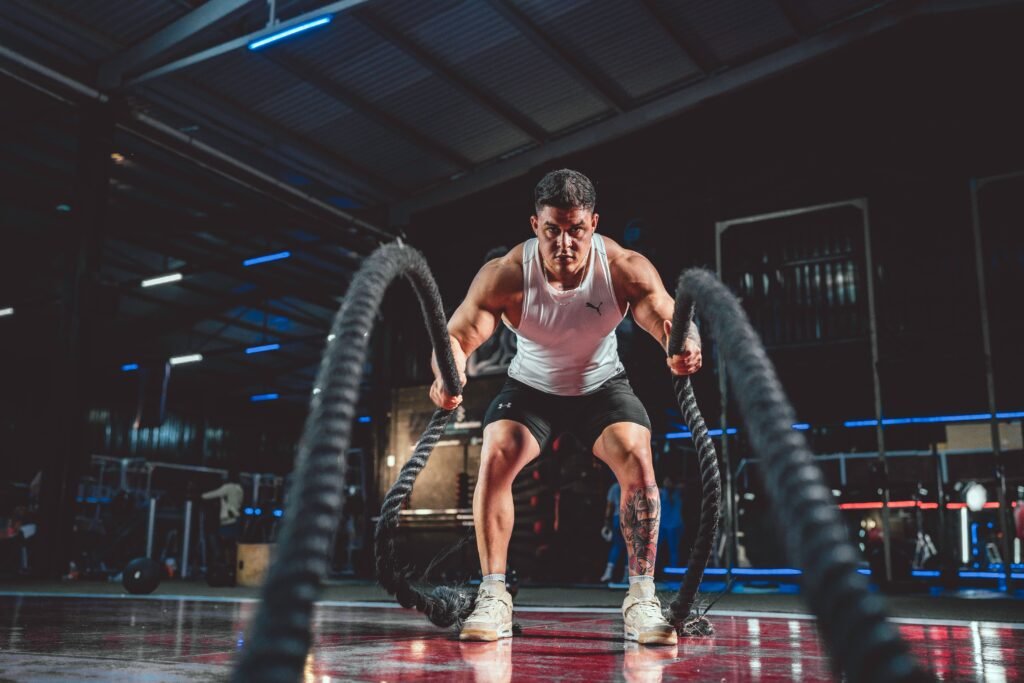
Fat loss does not require endless hours on a treadmill. The most effective approach combines regular aerobic activity, resistance training, daily movement, and a nutrition plan that supports a sustainable energy deficit. The right exercises can increase energy use while helping maintain muscle and improve fitness. However, no single movement can target belly fat or guarantee rapid weight loss. Instead, consistency matters more than choosing a “perfect” exercise. Current guidelines recommend that adults build toward 150–300 minutes of moderate aerobic activity each week, or 75–150 minutes of vigorous activity, alongside muscle-strengthening work on at least two days.
The Science Behind Fat Loss and Fitness
Fat loss occurs when the body uses more energy than it receives from food over time. Exercise can increase energy expenditure, but its value extends beyond calories burned during a workout. Regular physical activity can improve cardiovascular fitness, support muscle retention during weight loss, and help maintain a healthier body weight.
Resistance training is especially useful because it challenges muscles against external resistance. This can help preserve lean mass while someone is losing body weight. Meanwhile, aerobic exercise improves endurance and increases overall activity levels.
The best plan therefore uses both methods. ACSM notes that aerobic and resistance exercise each provide important health benefits. It also highlights exercise as an important part of weight management. (ACSM)
Exercise intensity also matters. Moderate activity raises breathing and heart rate while still allowing conversation. Vigorous exercise creates a greater cardiovascular challenge. Beginners should build gradually rather than starting with high-intensity sessions every day.
Best Exercises for Fat Loss and Fitness
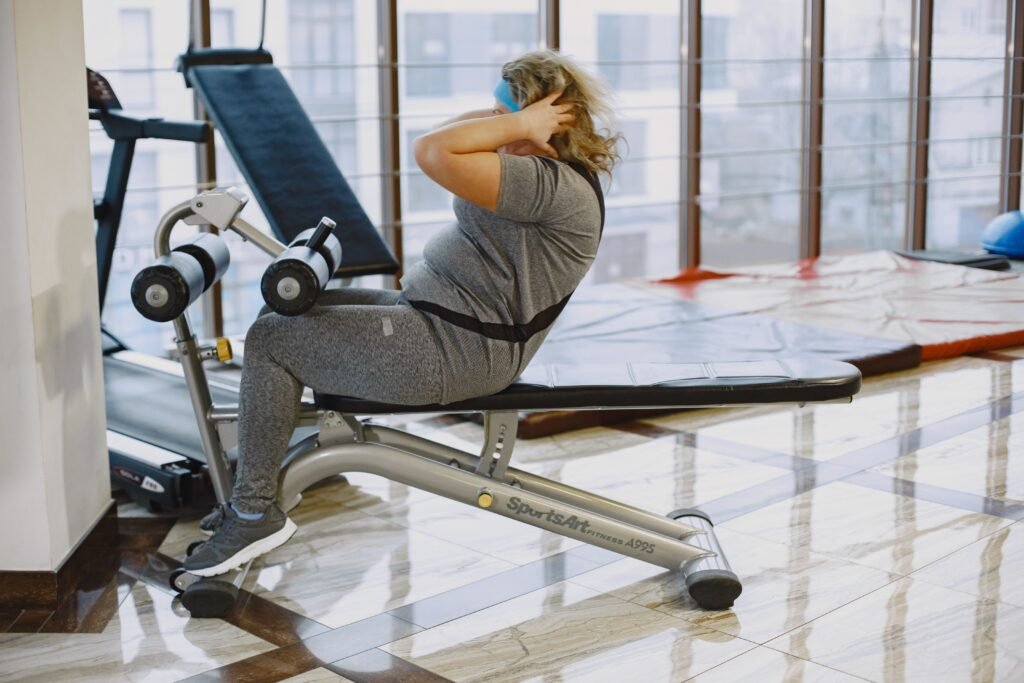
A practical program should combine exercises that train large muscle groups with activities that are easy to repeat consistently.
1. Brisk Walking
Walking is one of the simplest ways to increase daily activity. It requires little equipment and places relatively low stress on the joints.
- Start with 20–30 minutes.
- Perform it 4–6 days per week.
- Increase duration gradually.
- Add hills when regular walking becomes easy.
2. Squats
Squats train the hips, thighs, and core while allowing progression through body weight, dumbbells, or barbells.
- Perform 2–4 sets.
- Aim for 8–15 controlled repetitions.
- Rest about 60–120 seconds.
- Keep the movement controlled throughout each repetition.
3. Lunges
Lunges challenge the legs while also requiring balance and coordination. Reverse lunges can be a useful starting option for beginners.
- Perform 2–3 sets per leg.
- Complete 8–12 repetitions.
- Maintain an upright torso.
- Increase resistance only after technique is consistent.
4. Push-Ups
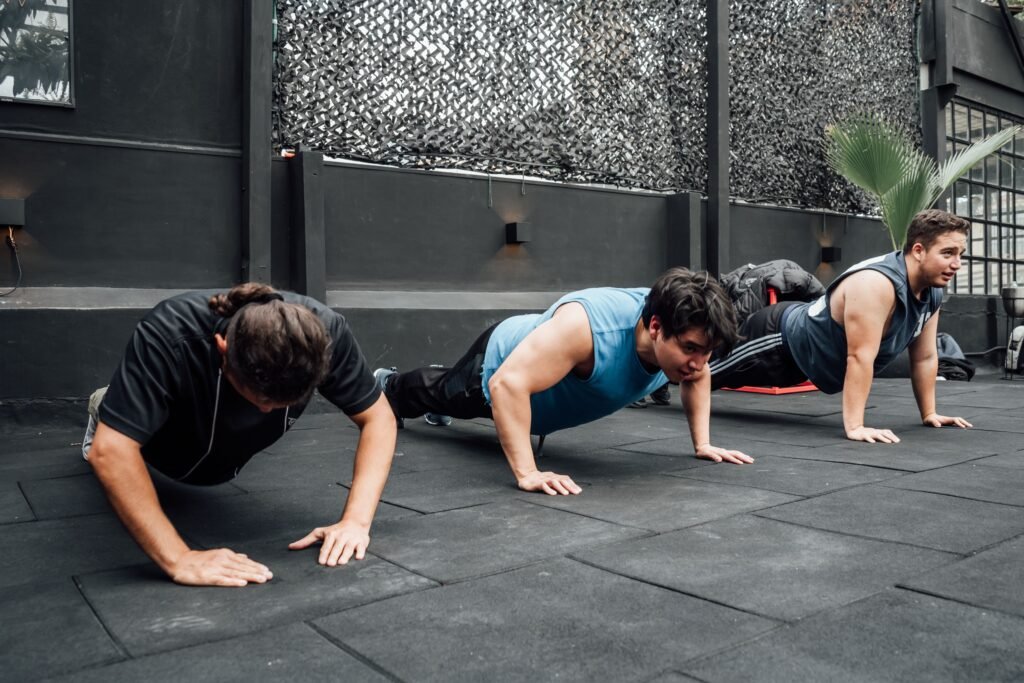
Push-ups train the chest, shoulders, triceps, and core. They can be modified by changing hand position or using an elevated surface.
Start with 2–3 sets of technically strong repetitions. Stop before the form breaks down.
5. Rowing
A rowing machine provides both cardiovascular and muscular work. It can raise heart rate while training the legs, back, and arms.
Use moderate resistance and focus on smooth technique. Beginners can start with short intervals and gradually extend their sessions.
6. Cycling
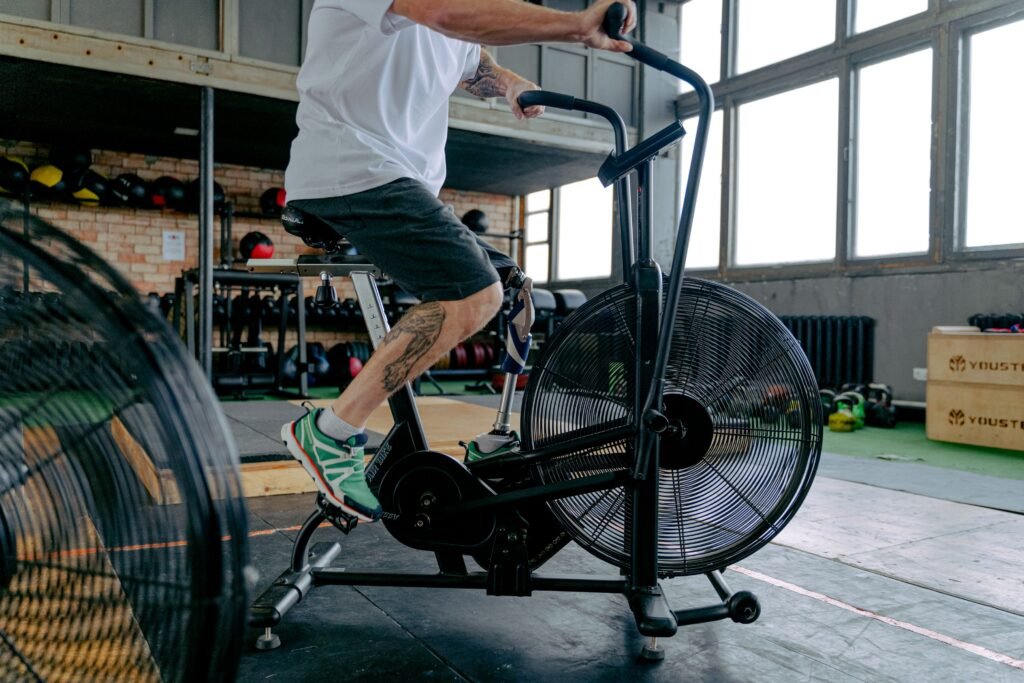
Cycling offers an effective aerobic option for people who prefer lower-impact training. Outdoor cycling and stationary bikes can both increase cardiovascular workload.
Aim for 20–45 minutes at a manageable intensity. Add shorter, harder intervals once basic fitness improves.
7. Short HIIT Sessions
High-intensity interval training can be time-efficient, but it is not essential for fat loss. A beginner could alternate 30 seconds of faster work with 60–90 seconds of easier movement.
Start with 10–15 minutes. Allow adequate recovery between sessions.
Pro-Trainer Tip
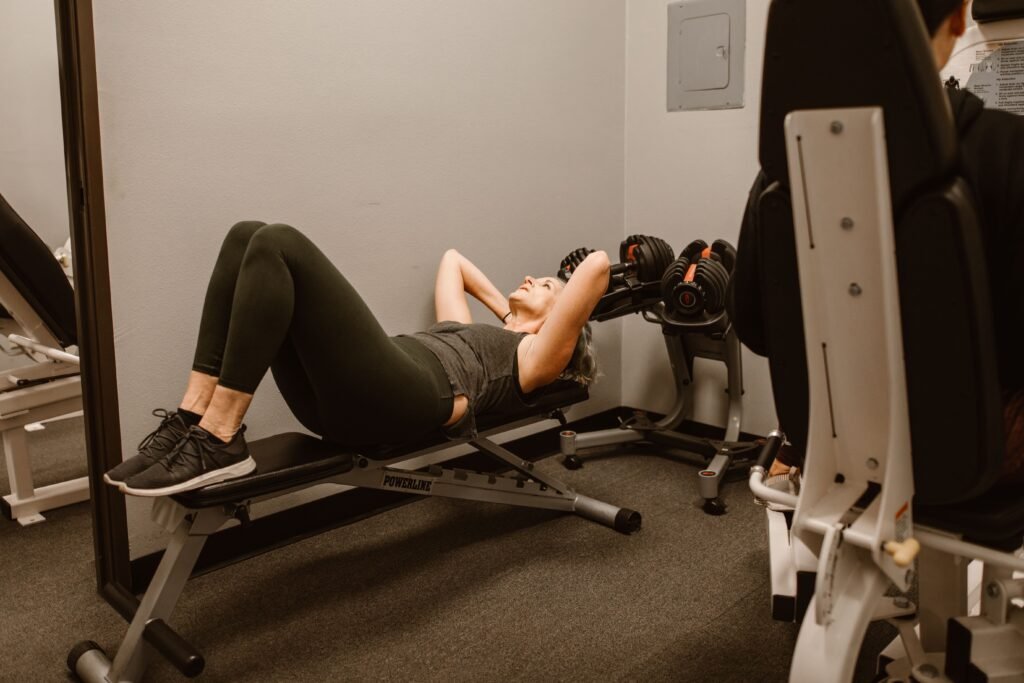
Do not judge an exercise only by how many calories it appears to burn. The best exercise is one you can perform safely, recover from, and repeat consistently. Build your program around activities you enjoy and can maintain for months.
Nutrition & Recovery Integration
Exercise works best when paired with sensible nutrition. Fat loss generally requires an energy deficit, but aggressive restriction can make training harder and may increase the risk of losing lean mass.
Build meals around protein-rich foods, vegetables, fruits, whole grains, and appropriate sources of dietary fat. Carbohydrates can also support training performance, especially when exercise volume is high.
Hydration matters as well. Drink regularly throughout the day and replace fluids lost during longer or hotter workouts.
Recovery deserves equal attention. Sleep supports physical performance, muscle recovery, and training consistency. Schedule easier days when fatigue builds.
For general health, adults should work toward 150–300 minutes of moderate aerobic activity weekly and perform muscle-strengthening exercises on at least two days.
Common Fitness Mistakes & How to Avoid Them
Mistake 1: Doing Only Cardio
Cardio has value, but resistance training should not be ignored.
Fix: Include strength sessions at least twice weekly.
Mistake 2: Training Hard Every Day
More exercise is not always better.
Fix: Alternate demanding sessions with easier activity and recovery.
Mistake 3: Chasing Sweat
Sweating does not prove that a workout caused more fat loss.
Fix: Track consistency, strength, endurance, and body measurements.
Mistake 4: Ignoring Nutrition
Exercise can be undermined by consistently eating more energy than the body uses.
Fix: Build balanced meals and monitor portions without extreme restriction.
Frequently Asked Questions
Q1: How long does it take to see fat-loss results?
Results vary with starting body composition, nutrition, activity, genetics, and consistency. Focus on sustainable changes rather than expecting dramatic results within a few days.
Q2: Are these exercises suitable for beginners?
Yes. Beginners can start with walking, bodyweight squats, modified push-ups, and basic resistance exercises. Increase duration or resistance gradually as fitness improves.
Q3: Do I need a special diet or supplement?
No special supplement is required for basic fat loss. A balanced eating pattern, appropriate energy intake, adequate protein, hydration, and consistent training provide the foundation.
Q4: How can I reduce injury risk?
Warm up before demanding exercise, learn proper technique, increase training gradually, and allow recovery between hard sessions. Stop if you experience significant or unusual pain.
Q5: Is cardio better than strength training for fat loss?
Neither method needs to win. Cardio increases aerobic fitness and activity, while strength training helps maintain muscle. Combining both creates a more complete program. (ACSM)