


The future of on-device AI is bright. Smart devices are becoming more powerful every year. They can perform advanced tasks without using cloud services. This improves speed and privacy. On-device AI supports health monitoring, smart homes, language translation, and productivity tools. Businesses also use this technology to improve security and reduce delays. As hardware continues to improve, every AI personal assistant will become faster, smarter, and more reliable. Users will enjoy better performance, stronger privacy, and a smoother digital experience every day.
Technology is evolving rapidly. On-device AI is driving this change. Unlike cloud-based systems, it processes data directly on your smartphone, tablet, or laptop. It does not need a constant internet connection. This makes your AI personal assistant faster and more secure. It can manage schedules, translate languages, edit photos, and reply to messages. Everything happens on your device. Artificial intelligence works quietly in the background to simplify daily tasks while protecting your personal information.
What Is On-Device AI?
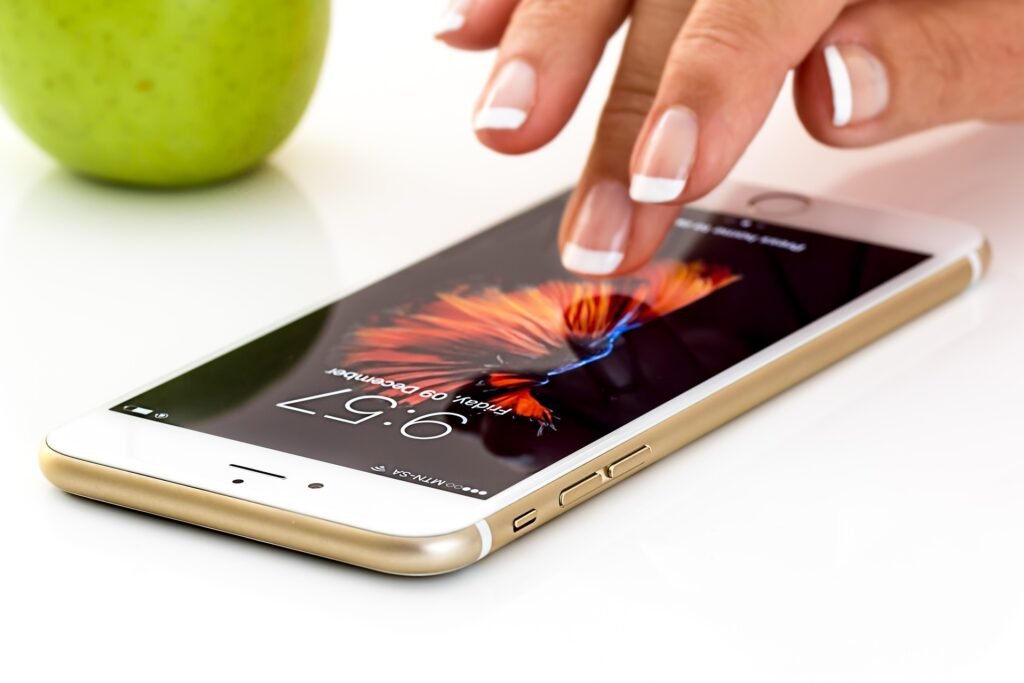
On-device AI refers to artificial intelligence that runs directly on your device instead of sending information to remote servers. This means your phone can recognize your voice, improve your photos, suggest replies, or summarize notes even when you are offline.
Unlike cloud AI, on-device processing offers quicker response times because data does not need to travel across the internet. This technology also improves privacy since sensitive information stays on your device. As a result, users enjoy a smoother, safer, and more reliable experience in their daily lives.
How an AI Personal Assistant Makes Life Easier
A modern AI personal assistant can perform many tasks without requiring constant internet access. It can organize your calendar, remind you of important meetings, answer voice commands, translate conversations in real time, and even recommend actions based on your habits.
For example, if you’re driving, your device can read incoming messages aloud, suggest the fastest route, and remind you about your next appointment. Students can use on-device AI to summarize notes, while professionals benefit from quick document searches and smart productivity tools. These features save valuable time and help users stay organized throughout the day.
Benefits of On-Device Artificial Intelligence
The biggest advantage of on-device artificial intelligence is privacy. Since personal information remains stored locally, the risk of unnecessary data sharing is reduced. Speed is another major benefit because tasks are completed instantly without depending on internet connectivity.
Battery efficiency is also improving as modern processors are specifically designed to handle AI workloads. Whether you’re traveling, working remotely, or simply using your smartphone at home, on-device AI delivers a seamless experience with greater security and reliability.

The future of personal technology is moving beyond simple automation. On-device AI is becoming a trusted companion that understands your needs while protecting your privacy. As smartphones, laptops, and wearable devices continue to evolve, intelligent features will become even more helpful in everyday life. By combining speed, security, and convenience, AI personal assistants powered by on-device artificial intelligence are transforming the way people work, communicate, and stay productive.
FAQs
1. What is on-device AI?
On-device AI is artificial intelligence that processes data directly on your device instead of relying on cloud servers.
2. Why is on-device AI better for privacy?
Since your information stays on your device, less personal data is transmitted online, improving security and privacy.
3. Can on-device AI work without the internet?
Yes. Many on-device AI features continue to function offline because the processing happens locally.
4. What devices use on-device AI?
Modern smartphones, laptops, tablets, smartwatches, and other smart devices increasingly include on-device AI capabilities.
5. How does an AI personal assistant help users?
An AI personal assistant helps manage schedules, answer voice commands, organize tasks, translate languages, improve photos, and boost productivity with intelligent recommendations.