

A healthy diet gives your body the nutrients it needs to function, recover, and stay active. The right diet does not mean following strict food rules or removing entire food groups. Instead, it means creating balanced meals that provide energy, protein, vitamins, minerals, fiber, and healthy fats. Good nutrition also supports long-term health by helping the body maintain normal functions and manage daily demands. Your eating habits can also shape your lifestyle, especially when regular meals, sensible portions, and nutritious food choices become part of your routine. Understanding the basic components of a healthy diet makes it easier to choose foods that support both everyday well-being and an active life.
What Makes a Diet Healthy?
A healthy diet provides a broad range of nutrients without relying heavily on one type of food. The body needs carbohydrates for energy, protein for tissue maintenance, fats for important functions, and a range of vitamins and minerals.
The balance can vary from person to person. An athlete may need more energy because of regular training. Someone with a mostly sedentary routine may have different energy needs. Age, activity level, food preferences, and health conditions also influence dietary choices.
The main idea is variety. Eating different foods helps increase the range of nutrients in your meals. It also makes a healthy eating pattern easier to maintain over time.

The Role of Carbohydrates
Carbohydrates often receive unnecessary criticism in diet discussions. They provide an important source of energy, particularly during physical activity. The body breaks many carbohydrates down into glucose, which cells can use for fuel.
Whole grains, potatoes, beans, fruits, and vegetables can all contribute carbohydrates to a balanced diet. These foods can also provide fiber and other nutrients.
The quality of the carbohydrate matters. Foods that contain fiber tend to provide more nutritional value than highly refined products with large amounts of added sugar. However, there is no need to treat every carbohydrate-containing food as unhealthy.
For active people, carbohydrates can also support training. Eating enough can help maintain energy during exercise and support recovery afterward.

Protein Supports Growth and Repair
Protein provides amino acids that the body uses to build and maintain tissues. Muscles, skin, enzymes, and several other parts of the body depend on protein.
Good sources include eggs, fish, poultry, dairy products, beans, lentils, soy foods, nuts, and seeds. People who eat a varied diet can usually obtain protein from several different sources.
Protein needs vary according to body size, age, activity level, and training demands. Someone who regularly performs resistance training may have higher needs than someone with a less active routine.
Rather than focusing on one meal, it makes sense to include protein regularly throughout the day. A balanced approach can support muscle maintenance while fitting naturally into a wider healthy eating pattern.
Healthy Fats Have a Place in Your Diet
Fat is another essential part of nutrition. The body uses dietary fat for energy, cell structure, and the absorption of certain vitamins.
Unsaturated fats from foods such as olive oil, nuts, seeds, avocados, and oily fish can fit well into a balanced diet. These foods also provide other useful nutrients.
Not all fats have the same nutritional profile. Foods high in saturated fat can still appear in a healthy diet, but moderation matters. Highly processed foods can also contain large amounts of fat alongside excess salt or added sugar.
The goal is not to remove fat. Instead, choose a variety of fat sources and consider the overall quality of your meals.

Vitamins, Minerals, and Fiber
Vitamins and minerals support many processes throughout the body. Iron helps transport oxygen, calcium supports bones and teeth, and vitamin C contributes to normal immune function. Many other micronutrients perform equally important jobs.
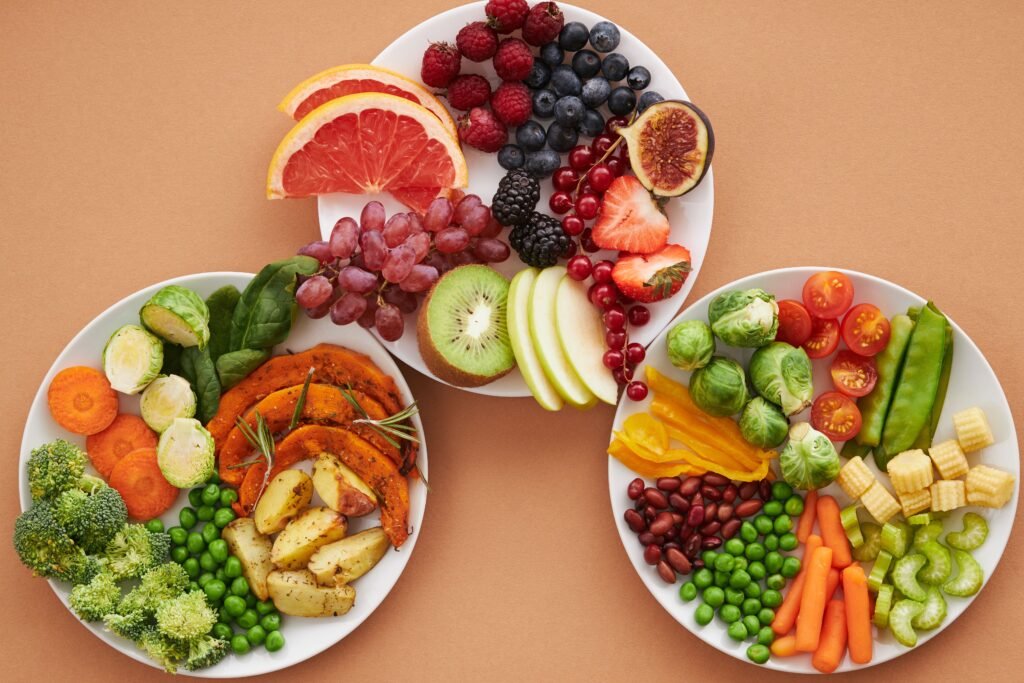
Fruits and vegetables are valuable because they provide a mixture of vitamins, minerals, fiber, and plant compounds. Different colors often reflect different nutrient profiles, so variety can improve the overall quality of your meals.
Fiber also deserves attention. It supports normal digestion and can help you feel satisfied after eating. Whole grains, beans, vegetables, fruits, nuts, and seeds provide useful sources.
A varied diet generally makes it easier to obtain these nutrients than a diet built around a narrow selection of foods.
How Food Choices Have Changed Over Time
People’s diets have changed considerably as agriculture, food production, refrigeration, transport, and modern food technology developed. Traditional diets often relied heavily on locally available grains, vegetables, fruits, legumes, meat, fish, or dairy products.
Modern food systems provide much greater choice. Supermarkets now offer foods from many countries throughout the year. At the same time, highly processed foods have become widely available and convenient.
This change does not mean modern food is automatically unhealthy. Processing can improve safety, storage, and convenience. However, diets that rely heavily on highly processed foods can make it easier to consume excess added sugar, sodium, and calories.
That is why basic nutrition principles remain useful. Choose mostly nutrient-rich foods while allowing room for personal preferences and occasional treats.
Building a Healthy Eating Lifestyle
A healthy eating pattern should work in real life. You do not need to prepare complicated meals every day or follow a perfect menu. Simple meals can provide plenty of nutrition when they combine different food groups.
Planning can make healthy choices easier. Keeping useful ingredients available at home reduces the temptation to rely on convenience foods when you are hungry. Regular meal timing can also help some people manage appetite and energy throughout the day.
Portion sizes matter, but they should not become an obsession. Your energy needs change with activity, age, and other factors. Paying attention to hunger, fullness, training demands, and overall food quality can provide useful guidance.
The strongest approach is one you can maintain. A healthy diet should support your lifestyle rather than make everyday eating unnecessarily difficult.
Frequently Asked Questions
Q1: What are the main components of a healthy diet?
A balanced diet includes carbohydrates, protein, healthy fats, vitamins, minerals, fiber, and enough fluids. The ideal balance varies according to individual energy needs, activity levels, age, and overall health.
Q2: Are carbohydrates part of a healthy diet?
Yes. Carbohydrates provide energy and can supply important nutrients and fiber. Whole grains, fruits, vegetables, beans, and potatoes can all fit into a balanced eating pattern.
Q3: How much protein does a person need?
Protein needs vary with body size, age, activity level, and health goals. Active people may need more than sedentary individuals. A varied diet can provide protein through both animal and plant foods.
Q4: Are healthy fats necessary?
Yes. Dietary fat supports several normal body functions and helps absorb certain vitamins. Foods such as nuts, seeds, olive oil, avocados, and oily fish provide useful sources of unsaturated fats.
Q5: Can a healthy diet include processed foods?
Yes. Processing does not automatically make food unhealthy. However, highly processed foods can sometimes contain more added sugar, sodium, or calories. A balanced diet should emphasize nutritious, whole, and minimally processed foods.