

Stress can build quietly through work, family responsibilities, poor sleep, and long periods of sitting. Exercise offers a practical way to support mental well-being while also improving physical health. Regular movement can help reduce tension, improve mood, and give the mind a break from daily pressure. Exercise for mental health does not require long gym sessions or intense workouts. Walking, cycling, swimming, strength training, and recreational sports can all become useful parts of a healthy routine. Stress relief exercise works best when it fits comfortably into everyday life. Understanding the connection between movement and mental well-being can help people choose activities they enjoy and maintain them over time.
Why Exercise Can Help Mental Health
Exercise affects more than muscles and cardiovascular fitness. Physical activity changes several processes in the body and brain that influence mood, energy, and stress responses.
During exercise, the body increases blood flow and activates systems involved in movement and alertness. Regular activity can also support better sleep, which has a strong connection with emotional health. When people sleep better, they often find it easier to manage everyday stress.
Exercise also creates a useful break from repetitive thoughts. A walk outside can shift attention away from work or personal worries. A strength workout requires concentration on movement and technique. Team sports add social interaction to the experience.
The effect differs from person to person. Exercise should support mental health, but it should not replace professional treatment when someone has a serious or persistent mental health problem.
The Connection Between Movement and Stress

Stress is a normal response to challenging situations. It can help people respond quickly to short-term demands. Problems may arise when stress remains high for long periods without enough recovery.
Physical activity gives the body an opportunity to use some of the physical energy associated with stress. A brisk walk after a difficult workday can provide a simple transition between work and personal time.
Exercise may also help people develop a stronger sense of routine. Having a scheduled activity creates structure during the week. That structure can become especially useful when motivation feels low.
The type of exercise matters less than finding an activity that someone can perform consistently. A person who dislikes running may gain more from cycling, swimming, dancing, or walking because they are more likely to continue.
A Brief History of Exercise and Mental Wellbeing
People have linked physical activity with well-being for centuries. Ancient societies used physical training for health, military preparation, recreation, and competition. However, modern research has increasingly examined exercise as part of a broader approach to mental health.
The growth of organized sports and public fitness programs made regular physical activity more accessible. Later, researchers began studying relationships between exercise, mood, stress, sleep, and psychological well-being.
Today, the conversation has expanded beyond traditional gym workouts. Walking groups, community sports, yoga, cycling clubs, home workouts, and fitness apps give people more ways to stay active.
This change reflects a simple idea. Exercise does not need to look like competitive training to provide value. Everyday movement can also contribute to physical and mental well-being.
Choosing the Right Exercise for Stress Relief
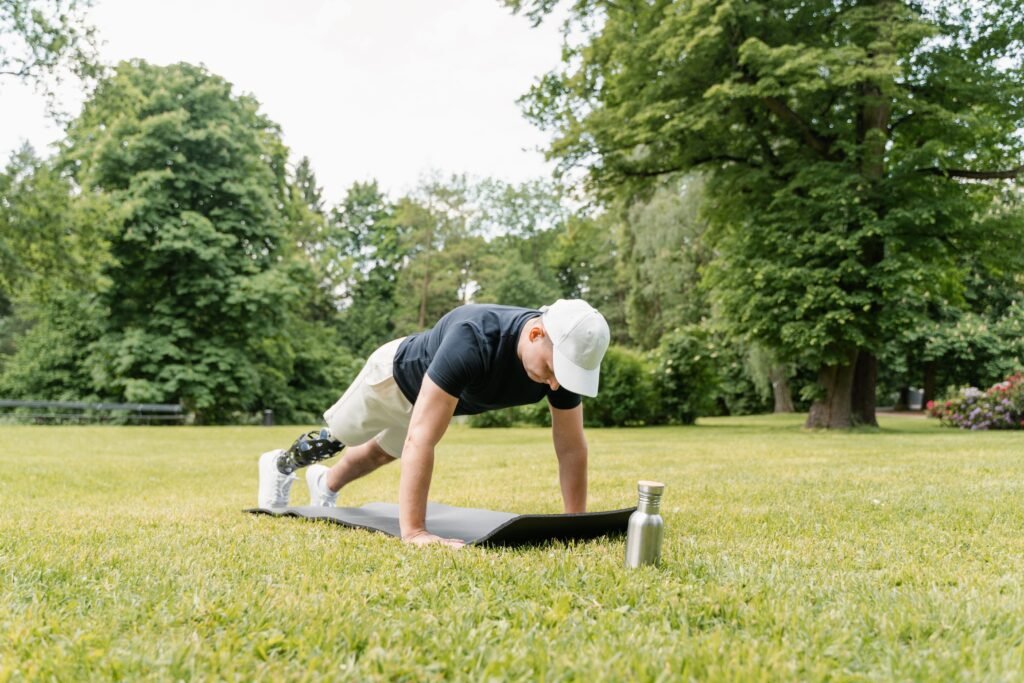
The best stress relief exercise is usually one that feels manageable and enjoyable. People often make the mistake of choosing a demanding program because they believe harder training must produce better mental benefits.
That approach can backfire. A difficult workout may add fatigue when someone already feels exhausted. Moderate activities can sometimes provide a better balance between movement and recovery.
Walking remains one of the easiest options. It requires little equipment and can fit into short periods during the day. Cycling and swimming provide aerobic exercise without requiring the same movement pattern as running.
Strength training offers another option. Lifting manageable resistance can provide a focused activity while gradually improving physical strength. Recreational sports add competition, skill development, and social contact.
There is no single exercise prescription for everyone. Fitness level, schedule, preferences, physical limitations, and personal goals should guide the choice.
How Much Exercise Can Make a Difference?
People do not need to wait for a perfect hour in the gym before becoming active. Short periods of movement can help break up long periods of sitting and make exercise easier to fit into a busy schedule.
Someone starting from a low activity level can begin with manageable sessions and gradually increase duration or frequency. As fitness improves, they can explore different activities and create a more varied routine.
Consistency matters more than occasional extreme workouts. A person who walks regularly may gain more practical value than someone who completes one exhausting session every few weeks.
Recovery should remain part of the plan. Adequate sleep, nutrition, and rest help the body handle exercise. If pain, unusual fatigue, or other concerning symptoms persist, professional medical advice is appropriate.
Common Problems That Can Reduce the Benefits

One common problem is treating exercise as another source of pressure. People may set unrealistic targets and feel guilty when they miss a session. That mindset can turn an activity intended to support well-being into another daily burden.
Another issue involves exercising only when motivation feels high. Motivation changes. A simple routine can make movement easier on days when enthusiasm is low.
Some people also choose exercise based entirely on calorie burning or appearance. Those goals can matter, but they are not the only reasons to stay active. Enjoyment, energy, social connection, sleep, and stress management can also make exercise worthwhile.
Finally, exercise should not become a way to avoid necessary mental health support. Persistent anxiety, depression, severe stress, or major changes in mood deserve attention from a qualified healthcare professional.
Making Exercise Part of Everyday Life
Exercise becomes easier to maintain when it fits naturally into an existing routine. A morning walk, lunchtime cycle, evening strength session, or weekend sport can create a predictable pattern without taking over the day.
The goal is not to find a perfect workout. It is to find movement that supports both physical health and daily well-being. Some days may call for a challenging session. Other days may be better suited to an easy walk or gentle activity.
Over time, regular movement can become one useful part of a broader approach to mental health. It works alongside sleep, social connection, nutrition, relaxation, and professional care when needed. For many people, the most valuable exercise is simply the activity they can enjoy and continue.
Frequently Asked Questions
Q1: What is the best exercise for mental health?
There is no single best exercise for everyone. Walking, running, cycling, swimming, strength training, and recreational sports can all support mental well-being. Personal preference and consistency often matter more than choosing one specific activity.
Q2: Can exercise reduce everyday stress?
Regular physical activity can help people manage everyday stress by providing movement, routine, and a mental break. Even moderate activities can become useful when they fit comfortably into a person’s schedule.
Q3: How often should I exercise for mental well-being?
Consistency matters more than occasional intense workouts. Start with manageable activity and build gradually. Regular movement throughout the week can support well-being while allowing enough recovery between demanding sessions.
Q4: Can exercise replace mental health treatment?
Exercise can support mental well-being, but it should not replace professional treatment for serious or persistent mental health concerns. People experiencing significant symptoms should speak with an appropriate healthcare professional.
Q5: Is walking enough to support mental health?
Walking can be a useful form of physical activity, especially for beginners or people with busy schedules. Regular walks can provide movement, outdoor time, and a break from daily routines without requiring specialized equipment.