
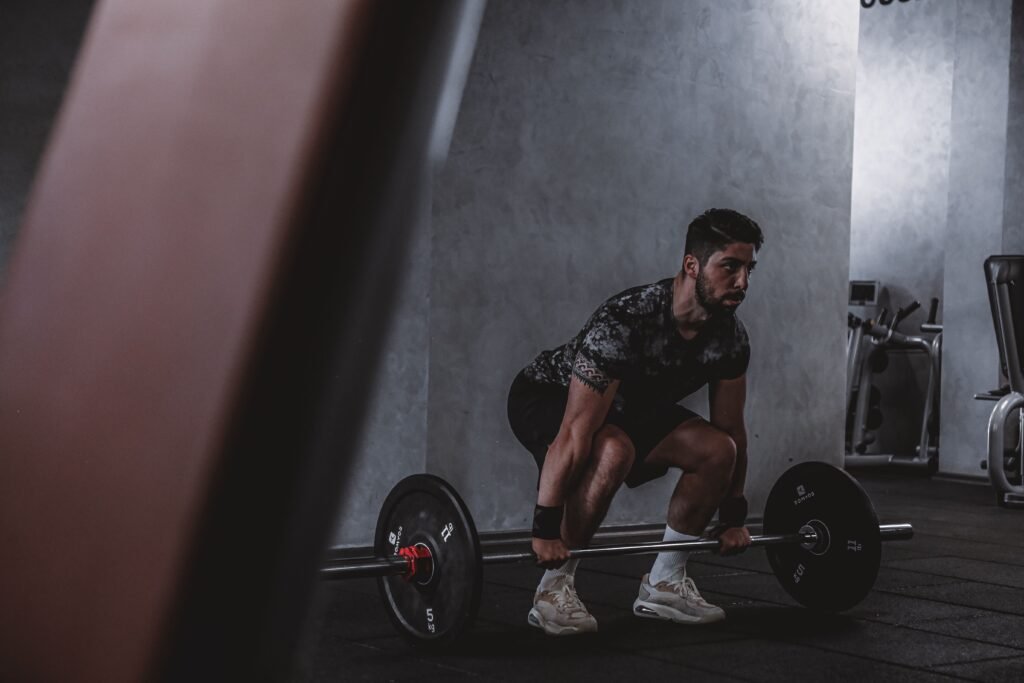
Fitness is not only about building muscle or running faster. The fitness you need depends on your daily life, age, goals, and physical demands. Good fitness helps you move comfortably, handle everyday tasks, and stay active for longer. Physical fitness, strength training, and cardiovascular fitness all contribute to a balanced level of health. You do not need to train like a professional athlete to improve. A sensible routine can combine strength, endurance, mobility, balance, and recovery. The right approach also changes with time. Someone preparing for a marathon needs a different plan from someone who simply wants more energy and better movement throughout the day.
What Fitness Really Means
Fitness describes how well your body handles physical activity. It includes several areas rather than one single ability. Strength helps you lift and carry objects. Endurance helps you stay active without becoming exhausted quickly. Mobility allows your joints to move through useful ranges.
Balance and coordination also matter. They help you control your body during exercise and everyday movement. Flexibility can support comfortable movement, although flexibility alone does not create complete fitness.
A balanced fitness routine should therefore develop more than appearance. Your goal should be a body that can perform the tasks you ask of it. That might mean climbing stairs without stopping, carrying groceries, playing sport, or completing a demanding workout.
How Modern Fitness Developed
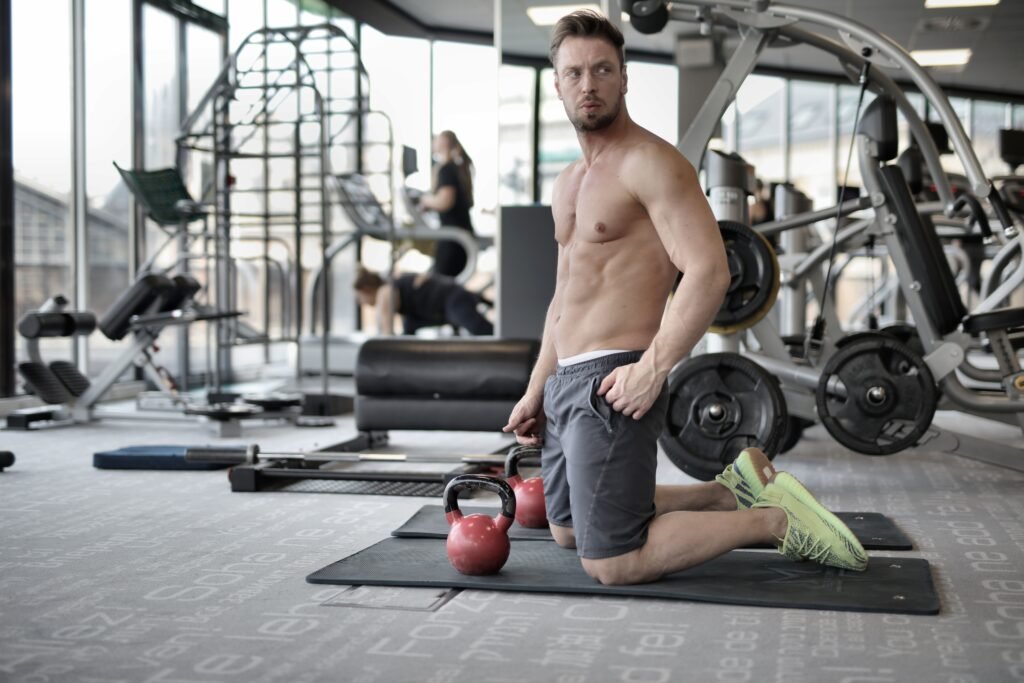
People have always needed physical fitness. Ancient communities relied on walking, hunting, farming, carrying, climbing, and other demanding activities. Physical preparation also became part of military training and competitive sport.
Modern fitness changed as daily life became less physically demanding. Cars, office jobs, machines, and digital entertainment reduced the amount of movement many people perform naturally. Gyms and organized exercise programs grew in response.
Today, people can choose from strength training, running, cycling, swimming, group classes, home workouts, and many other activities. Wearable technology has also made it easier to monitor steps, heart rate, workouts, and other measures.
The basic goal, however, has stayed the same. People exercise to improve how their bodies perform and support long-term health.
The Fitness You Need for Daily Life
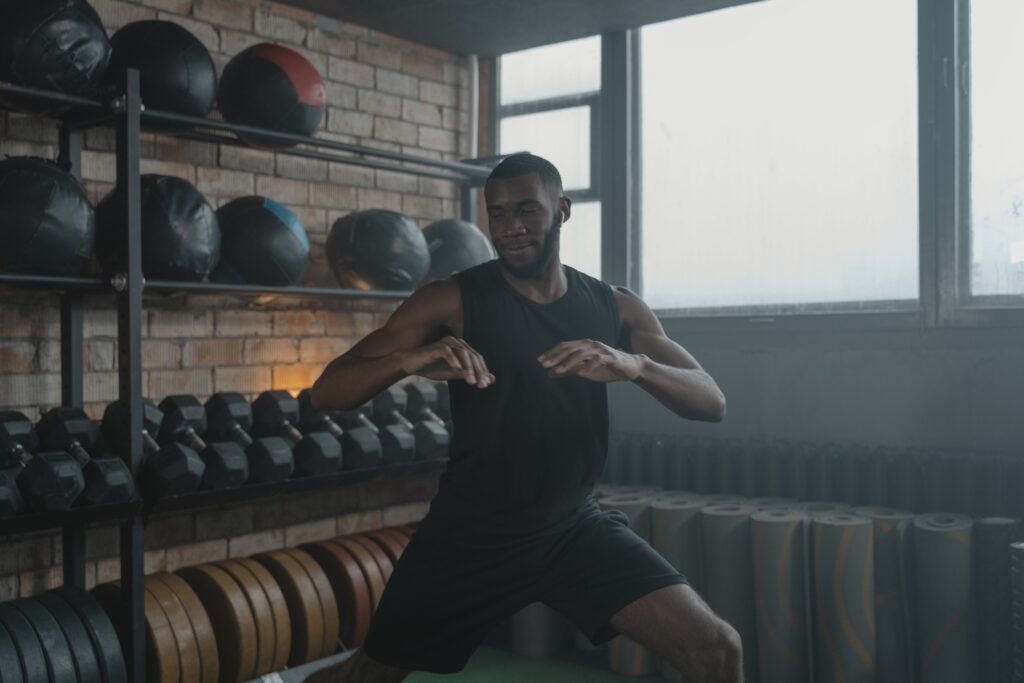
Most people do not need an athlete’s training schedule. They need enough fitness to manage daily activities without excessive fatigue. That starts with regular movement.
Walking provides an accessible way to increase activity. Strength training adds another important piece because stronger muscles can make lifting, carrying, and climbing easier. Regular aerobic exercise also challenges the heart and lungs.
Mobility deserves attention as well. Spending long periods sitting can make certain movements feel uncomfortable. Simple mobility work can help you maintain movement options alongside regular exercise.
Your fitness needs should match your lifestyle. A construction worker, football player, office employee, and older adult may all require different physical qualities. There is no single workout that suits everyone.
Strength and Cardiovascular Fitness
Strength training helps develop the muscles needed for everyday movement and sport. Beginners can start with bodyweight exercises, resistance bands, machines, or manageable free weights. As their ability improves, they can gradually increase the training challenge.
Cardiovascular fitness supports activities that require sustained effort. Walking, jogging, cycling, swimming, and similar activities can improve aerobic capacity when performed consistently.
These two forms of training work well together. Strength sessions can build physical capacity, while aerobic exercise improves endurance. However, you do not need to train at maximum intensity every day.
Recovery also matters. Your body needs time to adapt after demanding sessions. Rest, sleep, nutrition, and sensible training volume all influence how well you handle exercise.
Mobility, Balance, and Movement Quality
Fitness often focuses heavily on strength and cardio. However, movement quality deserves equal attention.
Mobility helps you move joints through useful ranges. Balance helps you control your body while standing, walking, changing direction, or performing exercises. Coordination allows different parts of your body to work together efficiently.
These abilities become especially useful as people get older. Maintaining them can support independence and confidence during everyday activities.
You can include mobility and balance work without creating a complicated program. Controlled bodyweight movements, single-leg exercises, stretching, and activities such as yoga can all contribute, depending on your needs.
The important point is consistency. A few minutes of useful movement performed regularly can be more practical than an ambitious routine that you rarely complete.
Common Fitness Mistakes
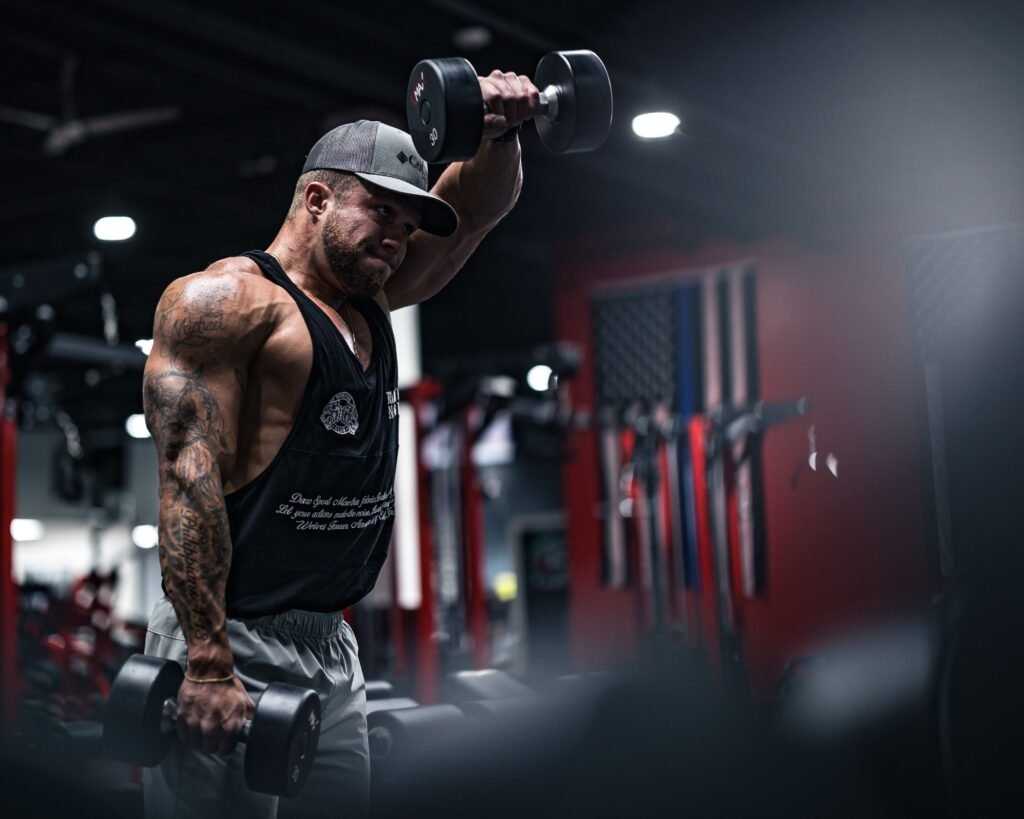
One common mistake is trying to do too much too quickly. People sometimes increase workout frequency, intensity, and duration at the same time. That approach can create unnecessary fatigue and make consistency harder.
Another problem is focusing only on visible muscles. A strong-looking body does not automatically mean good cardiovascular fitness, mobility, or balance.
Some people also change programs too often. Fitness improves through repeated practice and gradual progression. Constantly switching exercises can make progress difficult to measure.
Finally, recovery often receives too little attention. Poor sleep and inadequate rest can affect training quality. A sustainable routine should fit your schedule rather than compete with every other part of your life.
Building Fitness That Lasts
The best fitness plan is one you can maintain. Start with activities that match your current ability and schedule. Then increase the challenge gradually as your body adapts.
Track simple signs of progress. You might notice that stairs feel easier, your walking pace improves, or you can perform an exercise with better control. These changes matter even when the scale does not move.
Your fitness needs may also change over the years. Work demands, age, injuries, sports, and personal goals can all influence your routine. Adapt your training rather than abandoning it when circumstances change.
Fitness does not require perfection. It requires regular movement, appropriate challenge, recovery, and patience. When those elements work together, exercise becomes a practical part of life rather than a short-term project.
Frequently Asked Questions
Q1: What type of fitness do most people need?
Most people benefit from a combination of aerobic activity, strength training, mobility, and balance work. The exact amount depends on age, health, experience, lifestyle, and personal goals.
Q2: How often should I exercise?
A consistent weekly routine works better than occasional intense workouts. Combine regular aerobic activity with strength sessions and allow enough recovery between demanding workouts.
Q3: Can beginners improve fitness at home?
Yes. Beginners can start with walking, bodyweight exercises, resistance bands, and mobility work. As fitness improves, they can gradually increase resistance, duration, or exercise difficulty.
Q4: Is strength training important for everyone?
Strength training can benefit most adults because stronger muscles support everyday movement and physical activity. Beginners should start with manageable resistance and focus on controlled technique.
Q5: How long does it take to improve fitness?
Progress varies between individuals. Many people notice improvements in energy, movement, and exercise tolerance with consistent training. Longer-term changes depend on training, recovery, nutrition, starting fitness, and individual factors.