
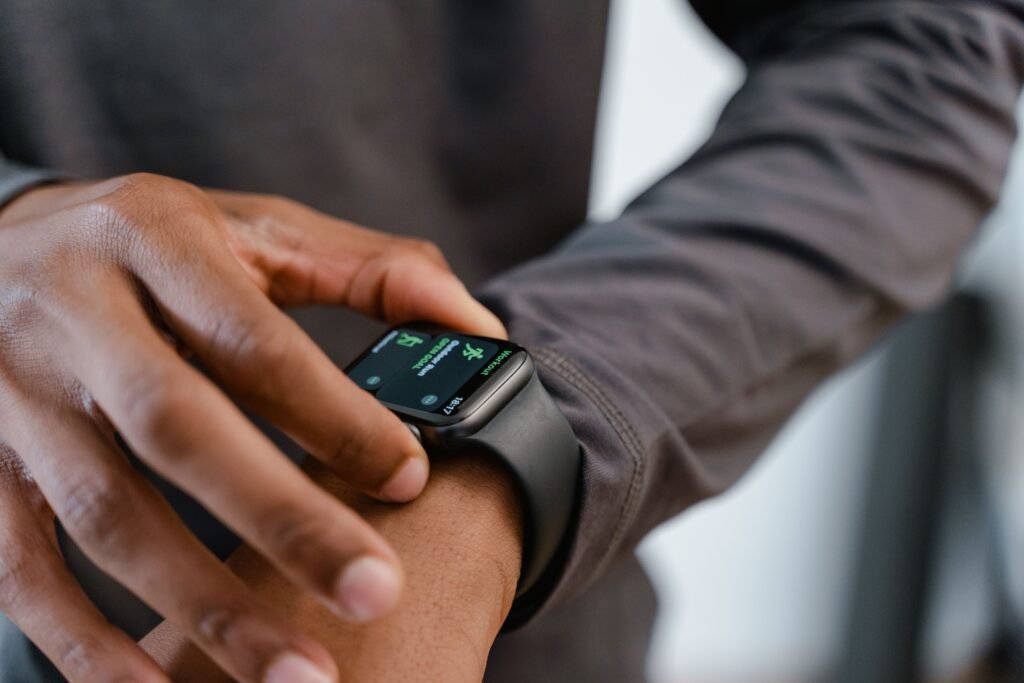
Wearable fitness technology has changed how people understand daily activity, exercise, and recovery. A smartwatch can now track steps, heart rate, workouts, sleep, and other health signals from the wrist. This makes health tracking easier during normal daily routines. At the same time, fitness trackers give users simple feedback about movement and exercise. For athletes, wearable fitness technology can also help monitor training patterns and recovery. However, more data does not always mean better decisions. The real value comes from understanding what the numbers mean and using them sensibly. A good wearable should support your training habits, not control every decision you make.
What Is Wearable Fitness Technology?
Wearable fitness technology includes devices that collect information while you move, exercise, or sleep. Smartwatches, fitness bands, smart rings, and heart-rate monitors all fall into this category.
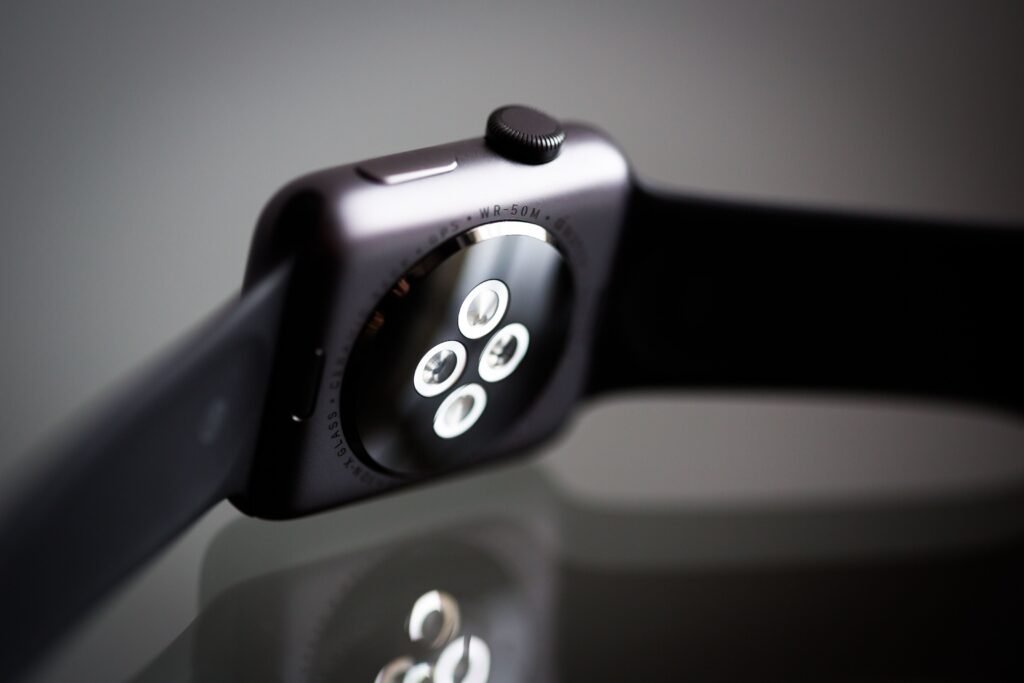
Most devices use sensors to measure movement and body signals. An accelerometer can detect steps and changes in movement. Optical sensors can estimate heart rate through changes in blood flow beneath the skin.
Many modern devices combine these signals with software. The software then estimates information such as calories, sleep duration, training load, or recovery status.
These measurements can help users understand their routines. They can also reveal patterns that may remain unnoticed without regular tracking.
A Brief History of Fitness Tracking
People have tracked exercise long before smartwatches appeared. Early athletes often relied on notebooks, stopwatches, pedometers, and simple heart-rate monitors.
Pedometers became popular because they offered an easy way to measure daily movement. Later, heart-rate monitors gave runners and cyclists more information about exercise intensity.
The smartphone era changed fitness tracking again. Mobile apps allowed users to record workouts and view long-term progress.
Wearables then brought much of that technology onto the body. Today, many devices combine activity tracking, heart-rate monitoring, GPS, sleep features, and workout analysis in one product.
The technology continues to develop, but the basic purpose remains familiar. People want useful feedback about how they move and train.
How Health Tracking Works
Wearables collect information through small sensors. Movement sensors estimate activity levels, while optical sensors estimate heart rate. Some devices also use GPS to measure distance, speed, and route information.
The device sends this information to software. Algorithms then turn raw sensor readings into estimates that users can understand.
However, these numbers do not represent perfect measurements. Step counts can vary between devices. Calorie estimates can also differ from actual energy use.
Sleep tracking deserves similar caution. A wearable can identify patterns in movement and heart rate, but it cannot replace a clinical sleep assessment.
Therefore, users should focus on trends rather than obsessing over every daily number. A consistent pattern often tells you more than one unusual reading.
Why Wearables Can Help Your Training
The biggest advantage of a wearable is convenience. You can collect information without stopping your workout to record every detail.
For example, a runner can monitor pace and heart rate during a session. A cyclist can review distance and speed after training. A gym user can track workout duration and daily activity.
Wearables can also encourage movement outside formal exercise. Seeing a low step count may remind someone to walk more during the day.
Sleep data can also encourage better recovery habits. If your sleep schedule repeatedly falls short, the pattern may become easier to recognize.
Still, the device should support your judgment. A poor readiness score does not automatically mean you should skip training. Your energy, soreness, workload, and recent performance also matter.
Using Wearables Without Becoming Obsessed
More tracking can sometimes create unnecessary stress. Some users check their heart rate throughout the day or worry about small changes in sleep scores.
That approach can make fitness feel like a constant test. Instead, choose a few measurements that match your actual goal.
Someone training for a running event may care about distance, pace, and heart rate. Someone focused on general health may prefer daily movement and sleep consistency.
Set a simple review routine. Look at your data after training or once each day instead of checking it constantly.
Also, remember that estimates have limitations. Use wearable data as one source of information rather than treating every number as a medical fact.
Common Mistakes With Fitness Trackers
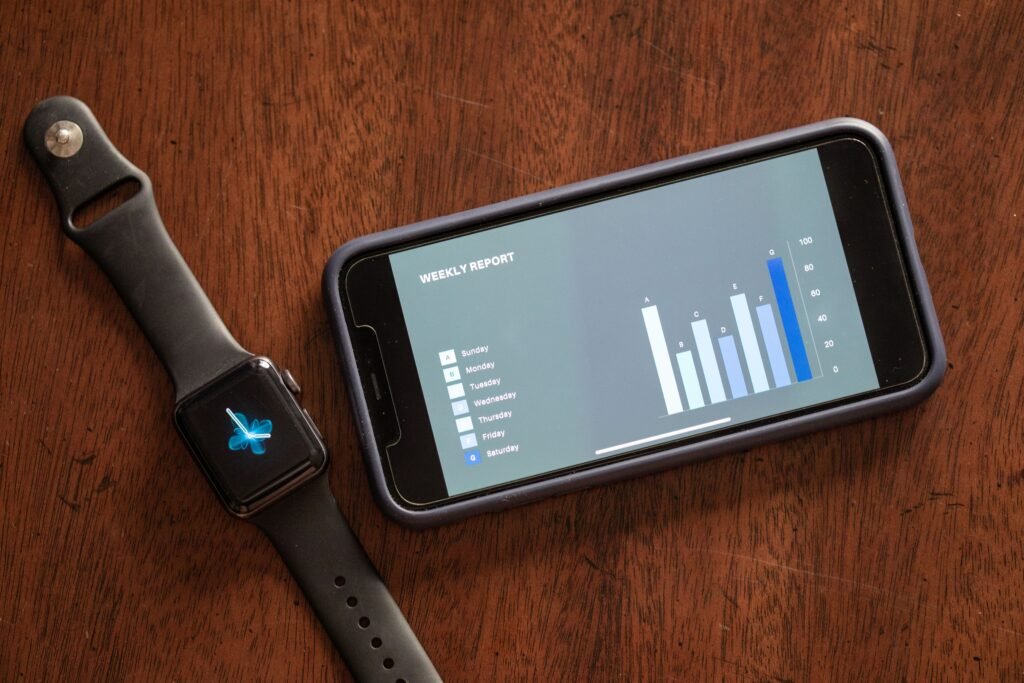
One common mistake involves chasing daily targets without considering recovery. Completing more steps or burning more estimated calories does not automatically improve fitness.
Another problem occurs when users compare numbers from different devices. Each brand may use different sensors and algorithms. A change in device can therefore change the reported results.
Some people also treat calorie estimates as precise. They may then eat more because their watch reports a large workout calorie total. That can create confusion when weight management is the goal.
A better approach involves consistency. Use the same device under similar conditions. Watch long-term patterns. Combine the data with how you feel and perform.
The Future of Wearable Fitness Technology
Wearables are becoming more useful as sensors improve and software becomes more sophisticated. Devices now offer increasingly detailed information about training, sleep, heart rate, and daily movement.
The next stage will likely focus more on personalized feedback. Instead of simply showing numbers, devices may help users understand changes in their normal patterns.
That development could make health tracking more useful for athletes and everyday users. However, better technology will not remove the need for good judgment.
A wearable cannot replace proper training, nutritious food, adequate sleep, or professional medical care. It simply gives you another source of information.
The best way to use wearable fitness technology is to keep it in perspective. Track what matters, look for meaningful trends, and let the information support better habits rather than dictate your entire routine.
Frequently Asked Questions
Q1: Are fitness trackers accurate?
Fitness trackers can provide useful estimates for steps, heart rate, distance, and other measures. Accuracy varies by device and activity, so users should focus on consistent trends rather than treating every number as exact.
Q2: Can wearable technology improve fitness?
Wearables can support fitness by providing feedback about activity, workouts, and habits. They may also encourage consistency. However, progress still depends on appropriate training, nutrition, recovery, and regular physical activity.
Q3: Can a smartwatch track sleep accurately?
Smartwatches can estimate sleep duration and identify possible sleep patterns. However, they cannot diagnose sleep disorders. If you have persistent sleep problems, discuss them with a qualified healthcare professional.
Q4: Should athletes wear fitness trackers during every workout?
Not necessarily. Athletes can benefit from tracking selected training data, but constant monitoring is not required. Training goals should determine which measurements matter and how often the data needs review.
Q5: What is the best health metric to track?
There is no single best metric for everyone. Choose measurements related to your goal. Steps, heart rate, workout performance, sleep, and training volume can all provide useful information.