

The 2026 US Open begins at the USTA Billie Jean King National Tennis Center in New York, with the tournament scheduled from August 30 through September 13. For elite players, success at the final Grand Slam of the season depends on more than powerful serves and sharp groundstrokes. Fitness, nutrition, sleep, and recovery shape performance across two demanding weeks. Carlos Alcaraz is returning to defend his men’s singles title after recovering from a right wrist injury, while world No. 1 Jannik Sinner has withdrawn because of a right knee injury. These developments highlight how physical readiness can influence a player’s entire tournament.
Why Fitness Matters at the US Open
Tennis places unusual demands on the body. Players repeatedly accelerate, stop, change direction, and strike the ball at high intensity. Matches can also extend for several hours.
Therefore, elite players need several physical qualities at once:
- Explosive power for serves and court movement
- Agility for rapid changes of direction
- Strength for repeated high-speed strokes
- Aerobic fitness for long matches
- Anaerobic capacity for intense rallies
- Mobility for efficient movement
- Recovery capacity between matches
Hard-court tennis adds another challenge. Players must manage repeated impact while maintaining speed and balance.
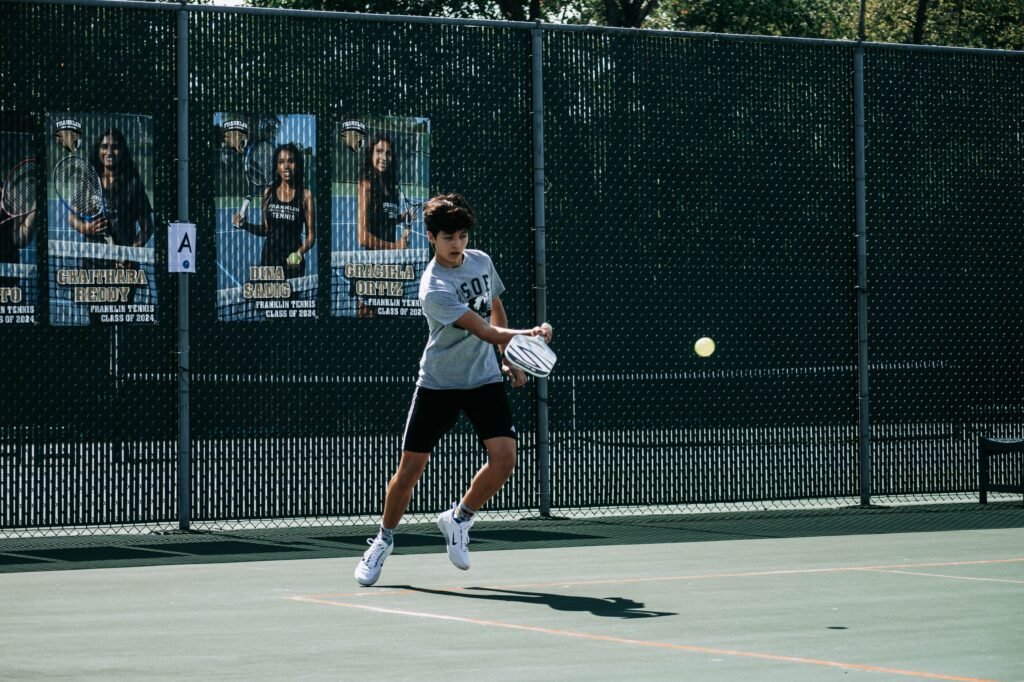
At the US Open, heat can also affect performance. Sweating reduces body water and electrolytes, which can contribute to fatigue when fluid losses are not replaced. The USTA notes that sweat rates vary greatly between players, so hydration plans should be individualized rather than based on one fixed amount.
How Tennis Players Train for a Grand Slam
A professional player’s training schedule changes during the tournament. Heavy strength work usually decreases as competition becomes more important.
Instead, training focuses on maintaining power, movement quality, and freshness.
Typical Pre-Match Routine
A player may begin the day with a light movement session rather than a demanding workout. The goal is to prepare the nervous system without creating unnecessary fatigue.
A practical routine can include:
- 5–10 minutes of easy movement to raise body temperature.
- Dynamic mobility for the hips, shoulders, and ankles.
- Activation drills for the glutes and core.
- Short acceleration drills to prepare court movement.
- Brief hitting practice to sharpen timing.
- Serve practice at controlled intensity.
- Recovery period before the match.
The exact routine depends on the player, match time, and previous workload.

During the tournament, strength training is often shorter and more targeted. Players may use resistance exercises for the legs, trunk, and upper body while avoiding sessions that create excessive muscle soreness.
Recovery Between Matches
Recovery becomes increasingly important after each round.
Players may use:
- Light cycling or walking
- Mobility exercises
- Massage or physiotherapy
- Compression strategies
- Sleep and rest
- Hydration and electrolyte replacement
- Carbohydrate and protein-rich meals
The purpose is simple: restore energy while limiting accumulated fatigue.
What Tennis Players Eat During the US Open
Nutrition for tennis is built around carbohydrates, fluids, electrolytes, and protein. The USTA identifies water, electrolytes, and carbohydrates as major performance priorities for tennis players.
Before a Match
A pre-match meal should provide familiar carbohydrates without causing stomach discomfort. Suitable choices can include:
- Oatmeal with fruit
- Rice with lean protein
- Pasta with a light sauce
- Toast with eggs
- Yogurt with fruit
- Banana and other easy-to-digest foods
Players should avoid experimenting with unfamiliar foods before important matches. The USTA specifically recommends testing nutrition strategies well before competition.
During the Match
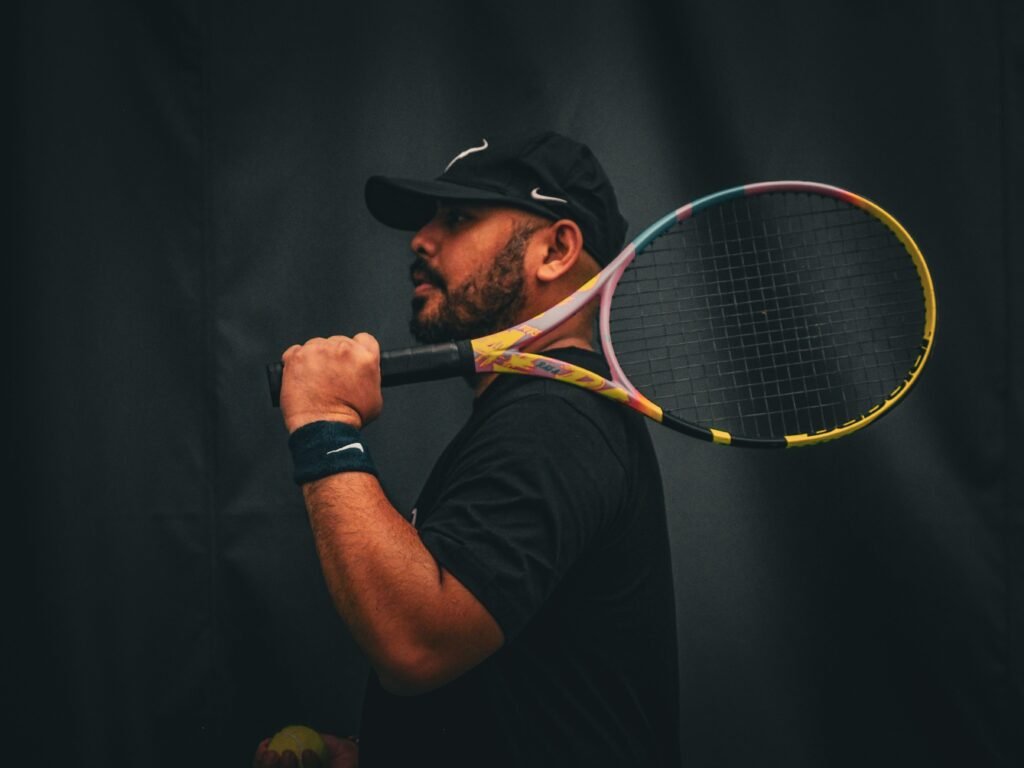
Long matches increase the need for carbohydrate and fluid replacement. USTA guidance notes that players can use carbohydrate-rich drinks, gels, or foods during extended play.
Electrolytes can also matter in hot conditions. Sodium losses vary between athletes, so professional players often develop individualized hydration plans.
After the Match
Recovery nutrition starts quickly after intense competition. A combination of carbohydrates and protein helps replace fuel and support muscle repair.
If another match is scheduled soon, rapid refueling becomes even more important.
A Typical US Open Player Daily Routine
There is no single schedule followed by every professional. Match times can change, and some players finish late at night.
However, a tournament-day routine may look like this:
| Time | Activity |
|---|---|
| 7:00–8:00 AM | Wake-up, hydration and breakfast |
| 9:00 AM | Mobility and activation |
| 10:00 AM | Tennis preparation or light practice |
| 11:00 AM | Pre-match meal or snack |
| Match time | Competition, hydration, and carbohydrate intake |
| After the match | Cool-down and recovery |
| 1–2 hours later | Full recovery meal |
| Evening | Treatment, stretching, and relaxation |
| Night | Sleep and recovery |
The schedule changes considerably for players competing in night sessions.
More importantly, sleep becomes a major part of preparation. Players need enough rest to support physical recovery, concentration, and repeated high-level performance.
Fitness Lessons From Elite US Open Players
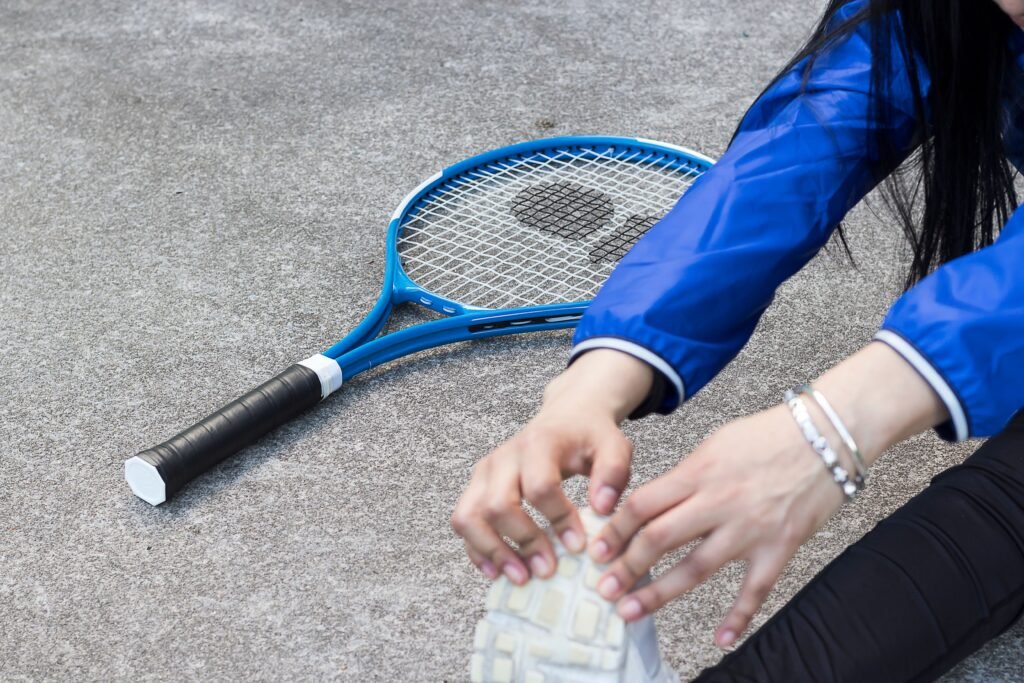
The biggest lesson for recreational players is not to copy a professional’s exact routine.
Instead, copy the principles.
Train for the demands of your sport. Tennis players need strength, speed, endurance, and coordination.
Fuel the work. Restricting carbohydrates during heavy tennis training can make it harder to maintain high-intensity performance.
Hydrate according to your needs. Sweat rate differs between people, locations, and training intensity.
Prioritize recovery. More training is not always better. Adaptation requires adequate rest.
Practice your nutrition plan. Tournament day is not the time to test a new supplement, meal, or drink.
The Bigger Picture for US Open 2026
The 2026 US Open also provides a clear reminder that elite tennis is increasingly built around performance science. The USTA and Oura have announced a partnership focused on sleep, recovery, and readiness, with a new Player Performance Center planned for the 2027 US Open.
That shift reflects modern professional tennis. Technical skill remains essential, but physical preparation can determine whether a player maintains that skill deep into a Grand Slam.
For players and fitness enthusiasts, the message is practical: train hard, fuel properly, manage hydration, and protect recovery. Those principles matter well beyond New York.
FAQs: US Open Tennis 2026 Player Fitness, Diet, and Routine
Q1: What do tennis players eat before a US Open match?
Players usually choose carbohydrate-rich meals with moderate protein. Rice, pasta, oats, fruit, toast and lean protein can provide energy without feeling too heavy.
Q2: How do US Open players stay hydrated during matches?
Players use fluids and, when needed, electrolyte drinks during competition. Hydration needs vary because sweat rate and sodium loss differ between athletes.
Q3: What does a professional tennis player’s daily routine include?
A tournament-day routine can include breakfast, mobility work, tennis preparation, the match, recovery treatment, nutrition, and sleep. The exact schedule changes according to match time and workload.
Q4: What do tennis players eat after a long match?
Recovery meals usually combine carbohydrates and protein. The USTA recommends a recovery snack soon after play, followed by a balanced meal within about two hours.
Q5: How do players recover between US Open matches?
Players focus on hydration, refueling, sleep, light movement, and recovery treatments. Managing fatigue is especially important when matches are long or scheduled on consecutive days.