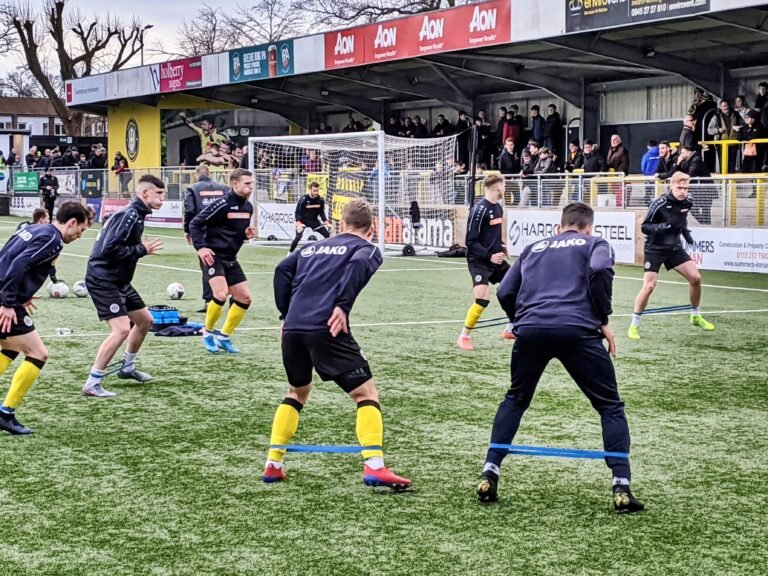

HYROX is a demanding fitness race that combines running with functional workout stations. Athletes complete eight 1-kilometre runs, with each running section followed by a workout station. This combination requires more than ordinary running endurance. Competitors need shoes that feel comfortable over repeated kilometres while providing enough grip, stability, and control for exercises such as sled pushes, sled pulls, burpee broad jumps, and weighted lunges.
Choosing the best running shoes for HYROX race day can make a meaningful difference to comfort, movement, and confidence throughout the competition. The right pair should support your running technique without making functional exercises feel awkward. However, no single shoe works perfectly for every athlete. Your running style, foot shape, training experience, and preferred balance between cushioning and stability all influence your decision.
This guide explains what to look for in HYROX race-day footwear, which shoe types suit different athletes, and how to test your shoes before competition. Whether you are preparing for your first HYROX event or looking to improve your next performance, understanding these features can help you make a more informed choice.
Why Choosing the Right HYROX Shoes Matters
HYROX challenges athletes to move between running and functional strength exercises without long recovery periods. A shoe that feels excellent during a relaxed run may not provide enough stability when pushing a heavy sled. Similarly, a firm training shoe may feel uncomfortable after several kilometres of running.
Your footwear should support both parts of the race.
Running Performance and Energy Efficiency
Running accounts for a substantial part of HYROX. Athletes need shoes that feel comfortable at their target pace and remain supportive as fatigue builds. Moderate cushioning can help reduce the harsh feeling of repeated foot strikes, while a responsive midsole may create a more energetic running sensation.
Lightweight shoes can also feel easier to move in during repeated running sections. However, the lightest model is not automatically the best option. A shoe must still offer suitable grip, secure lockdown, and enough stability for the workout stations.
Stability During Functional Exercises
Sled pushes, sled pulls, and weighted lunges require controlled foot placement. Excessively soft or unstable footwear may make these movements feel less secure, particularly when the athlete is already tired.
A relatively stable platform and a secure fit can help you maintain control. The ideal shoe should allow natural movement without feeling excessively tall, narrow, or wobbly.
Grip on the Competition Surface
Traction is another important factor when choosing HYROX race shoes. The outsole should provide reliable contact with the competition floor during running, sled work, and changes of direction.
Different venues and surfaces can affect how a shoe performs. Rubber compounds, outsole patterns, and floor conditions all influence traction. Testing your shoes during HYROX-specific training is therefore more useful than judging grip from appearance alone.
Best Running Shoes for HYROX Race Day
The following shoes represent different approaches to HYROX footwear. Their suitability depends on individual fit, training needs, and the balance between running comfort and functional stability.
1. Nike ZoomX Streakfly 2: For Fast Running
The Nike ZoomX Streakfly 2 is a lightweight road-racing shoe designed around speed and responsive running. Its performance-focused construction may appeal to athletes who prioritise quick running sections and prefer a less substantial shoe.
Best for: Experienced runners who value speed and a lightweight feel.
Potential limitation: Its racing-oriented design may not provide the ideal balance of stability and durability for every athlete during demanding sled work and weighted exercises.
2. Saucony Endorphin Speed 4: For a Responsive Ride
The Saucony Endorphin Speed 4 combines responsive cushioning with a design intended for faster training and racing. It can be worth considering for athletes who want a shoe that feels lively during repeated running intervals.
Best for: Athletes seeking a versatile road-running shoe for tempo sessions and race preparation.
Potential limitation: Its geometry and cushioning may feel less natural during heavy sled pushes or lunges than a flatter, more stable training shoe.
3. HOKA Mach 6: For Balanced Cushioning
The HOKA Mach 6 offers a cushioned yet relatively lightweight running experience. It may suit athletes who want comfort over repeated kilometres without choosing a heavily cushioned daily trainer.
Best for: Runners who prefer a balance between cushioning, weight, and everyday training versatility.
Potential limitation: Individual stability and traction preferences vary, so test it during functional workouts before race day.
4. PUMA Deviate NITRO 3: For Grip and Running Performance
The PUMA Deviate NITRO 3 is a performance road-running shoe featuring responsive cushioning and a rubber outsole designed to support traction. Its outsole construction makes grip an important feature to evaluate when considering it for HYROX.
Best for: Athletes looking for a performance running shoe with a focus on responsiveness and outsole traction.
Potential limitation: A road-running design does not guarantee optimal performance on every competition floor or during every functional station.
5. Reebok Nano X5: For Functional Training Stability
The Reebok Nano X5 belongs to the functional fitness training category rather than traditional road-racing footwear. Its training-focused design may provide a more stable feeling during strength movements and gym exercises.
Best for: Athletes who prioritise functional training, controlled foot placement, and stability.
Potential limitation: A training shoe may feel heavier or less efficient during eight kilometres of running than a dedicated road-running model.
6. Inov-8 F-Lite Series: For Functional Fitness Versatility
Inov-8’s F-Lite training shoes are designed for gym-based and functional fitness activities. Depending on the particular model, they may offer a useful combination of secure footing, flexibility, and training stability.
Best for: Athletes who prefer functional fitness footwear and spend considerable time practising HYROX workout stations.
Potential limitation: Cushioning and running comfort differ between models, so check the specific shoe rather than assuming every F-Lite model performs identically.
These options are starting points, not a universal ranking. Shoe versions, availability, and individual fit can change the final decision. Always check the exact model and test it under conditions that resemble your race.
Key Features to Look for in HYROX Race-Day Shoes
The best HYROX running shoes balance several important features. Understanding them will help you compare footwear without relying only on brand names or marketing claims.
1. Grip and Outsole Traction
Grip is especially important during sled pushes and pulls. If your feet slide on the turf, you may struggle to transfer force efficiently. Look for a rubber outsole that provides reliable traction and a tread pattern suited to your competition surface.
2. Cushioning and Energy Return
Cushioning helps make repeated running sections feel comfortable. Responsive foam can also create a lively feeling during faster efforts. However, extremely soft cushioning may feel less stable during loaded movements.
Choose cushioning that suits your body weight, running style, and comfort preferences rather than automatically selecting the thickest midsole.
3. A Stable Platform
A stable base can help you feel more secure during lunges, sled work, and wall balls. Shoes with a broad, well-balanced platform may be preferable to models that feel narrow or excessively elevated.
Stability is particularly important when fatigue affects your coordination late in the race.
4. Secure Fit and Heel Lockdown
Your feet should remain securely positioned inside the shoes during running and functional movements. Excessive heel slipping can create discomfort, while a narrow toe box may cause pressure as your feet swell during exercise.
Try shoes with the socks you intend to wear on race day. Make sure your toes have enough room and that the heel stays secure without painful tightness.
5. Weight and Flexibility
Lightweight shoes can feel efficient during running, but weight should not be your only consideration. A slightly heavier shoe with better grip and stability may perform better for your individual needs.
The shoe should also allow comfortable movement during burpee broad jumps and lunges without feeling excessively rigid.
Running Shoes vs Cross-Training Shoes for HYROX
Both shoe categories have advantages, but they serve different purposes.
| Feature | Running shoes | Cross-training shoes |
|---|---|---|
| Running comfort | Usually better | Varies by model |
| Cushioning | Often more running-focused | Usually firmer |
| Sled traction | Depends on outsole | Depends on outsole |
| Stability under load | Varies | Often a priority |
| Lightweight feel | Common in racing models | Model dependent |
| Best use | Running-focused athletes | Strength-focused training |
A running shoe is often a sensible starting point because HYROX includes eight kilometres of running. However, a very soft, tall, or aggressive racing shoe may feel unstable during functional stations.
Cross-training shoes offer a more stable option for strength work, but some models can feel heavy during repeated kilometres. Hybrid footwear aims to balance these competing demands.
Recent HYROX footwear guides also emphasise the importance of combining running comfort, traction, and stability instead of focusing on speed alone.
How to Choose HYROX Shoes Based on Your Racing Style
For Beginners
If this is your first HYROX race, prioritise comfort, grip, and stability over advanced racing technology. A familiar, versatile running shoe may be a better choice than a highly aggressive carbon-plated model.
Practise all major workout stations before committing to your final pair.
For Experienced Runners
Athletes with strong running fitness may benefit from responsive footwear that supports faster kilometre splits. However, the shoe must still provide sufficient traction and stability for the functional stations.
Test plated racing shoes carefully during race simulations before using them in competition.
For Strength-Focused Athletes
If you are comfortable with sled pushes and weighted exercises but struggle during the running sections, look for a shoe that improves running comfort without sacrificing too much stability.
Avoid choosing a heavy gym shoe simply because it feels secure when lifting weights.
For Athletes Who Need Extra Stability
Consider a well-balanced platform, secure heel fit, and cushioning that does not feel excessively soft. If you have previously experienced discomfort or instability, compare several models during controlled training sessions before deciding.
How to Test Your Shoes Before HYROX Race Day
Buying suitable footwear is only the first step. Testing it under race-specific conditions helps you understand how it performs when running and strength exercises are combined.
- Complete a running session: Run several kilometres at a comfortable pace and include some faster intervals.
- Practise sled pushes and pulls: Pay attention to slipping, heel movement, and how securely your feet contact the floor.
- Add lunges and burpee broad jumps: Check whether the shoes allow controlled movement and comfortable landings.
- Perform a race simulation: Combine running intervals with functional exercises to see how the shoes feel as fatigue develops.
- Check for discomfort: Look for rubbing, pressure points, toe crowding, and unusual instability.
Do not wait until race morning to discover that your shoes are unsuitable. Introduce your competition footwear during training and allow enough time to adjust.
Common Mistakes to Avoid When Buying HYROX Shoes
- Choosing shoes only for speed: Fast running performance does not guarantee reliable grip during sled work.
- Ignoring stability: Excessively soft or unstable footwear may feel awkward during loaded movements.
- Buying without testing: A shoe that feels comfortable while standing may perform differently during a race simulation.
- Selecting the wrong size: A tight toe box or loose heel can become distracting during repeated running and jumping.
- Changing footwear at the last minute: Unfamiliar shoes may cause discomfort or affect movement patterns.
- Assuming expensive means better: Your ideal shoe depends on fit, performance, and training needs rather than price alone.
Final Verdict: Which Shoes Are Best for HYROX Race Day?
The best running shoes for HYROX race day are the ones that combine comfortable running, reliable grip, and sufficient stability during functional exercises.
For athletes who want a balanced option, consider a versatile performance running shoe such as the Saucony Endorphin Speed series or PUMA Velocity NITRO series. More experienced competitors may prefer a race-focused model such as the PUMA Deviate NITRO Elite HYROX edition, while athletes prioritising strength-training stability may prefer footwear from the Reebok Nano range. These are options to evaluate rather than guaranteed winners; the latest version, fit, and individual performance matter.
Ultimately, choose footwear that supports your weakest part of the race without compromising your strengths. Test your shoes during running intervals, sled work, lunges, and full HYROX simulations. A comfortable, well-tested pair is a more dependable choice than an unfamiliar shoe selected purely for its reputation.
Frequently Asked Questions
1. What are the best running shoes for HYROX race day?
The best choice depends on your running ability and stability needs. Saucony Endorphin Speed, PUMA Velocity NITRO, and suitable PUMA Deviate NITRO models are options worth comparing. Test grip and comfort during functional training before choosing.
2. Can I wear normal running shoes for HYROX?
Yes. Many athletes use running shoes for HYROX. Choose a model that offers good traction and enough stability for sled pushes, lunges, and other functional movements.
3. Are carbon-plated shoes good for HYROX?
Carbon-plated shoes can support fast running, but some models have tall midsoles or designs that feel unstable during strength exercises. Experienced athletes should test them in complete race simulations before competition.
4. Should I wear cross-training shoes for HYROX?
Cross-training shoes can work well for athletes who prioritise stability and functional exercises. However, some models may feel heavy or less comfortable over eight kilometres of running. Choose a model that balances both demands.
5. When should I buy my HYROX race-day shoes?
Buy them early enough to complete several training sessions in them. Test running, sled work, lunges, and race simulations before competition day. Avoid wearing a completely unfamiliar pair for the first time during your event.