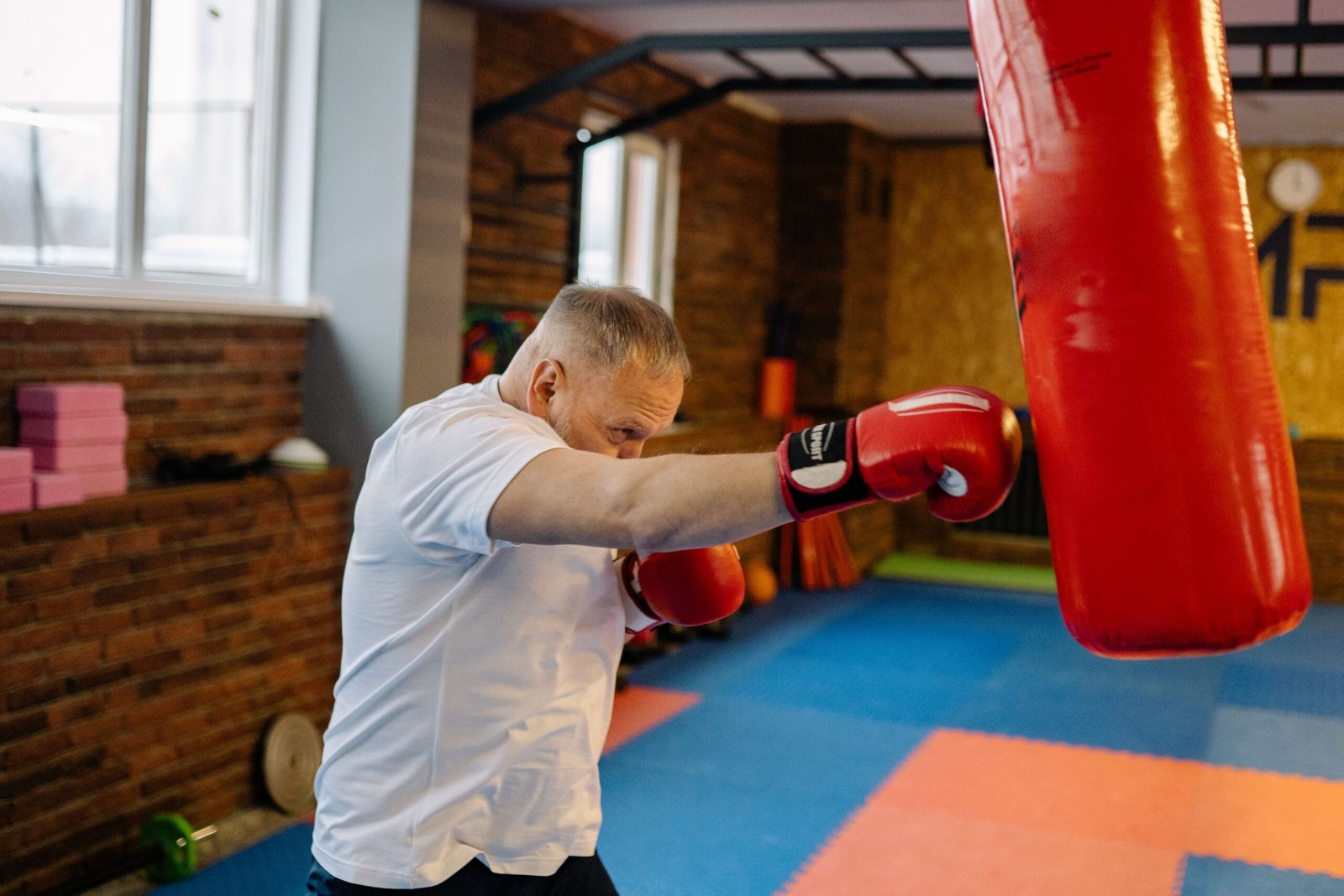
Staying active after 60 can help you maintain strength, flexibility, balance, and confidence in everyday life. You do not need an expensive gym membership or complicated exercise equipment to stay moving. Many useful workouts can be performed at home with a sturdy chair, a wall, and a little space.
Low-impact home workouts are a practical option for older adults who want to remain active without adding unnecessary jumping or pounding movements to their routine. They can include gentle walking, chair exercises, controlled strength movements, and simple balance activities.
Whether you are returning to exercise after a break or looking for a more comfortable way to stay fit, the key is to begin at a level that suits your current ability and gradually build consistency.
This guide explains beginner-friendly low-impact exercises, how to organize a weekly home workout routine, and how to make exercise more comfortable for adults over 60.
Why Low-Impact Exercise Matters After 60
Regular physical activity supports several aspects of healthy aging. As people get older, maintaining strength, mobility, and balance becomes particularly important for everyday tasks such as climbing stairs, carrying shopping bags, getting out of a chair, and walking outdoors.
Low-impact exercise can provide a manageable way to work on these abilities. It does not mean that every movement must be extremely easy. Instead, it means choosing activities that limit repeated high-impact landings while allowing you to control the pace and intensity.
Some potential benefits include:
- Maintaining muscle strength: Strength exercises help you practise movements used in daily life.
- Supporting balance: Controlled standing activities can help you practice stability.
- Improving mobility: Gentle movement keeps joints moving through comfortable ranges.
- Building stamina: Walking and other aerobic activities can make everyday movement feel less tiring.
- Supporting well-being: Regular activity can provide structure, enjoyment, and opportunities for social connection.
Exercise needs differ from person to person. Someone who regularly walks may be ready for a longer routine, while a beginner may need to start with a few minutes at a time.
1. Start With a Gentle Home Warm-Up
A warm-up prepares your body for the movements ahead. It gives you time to notice how you feel and begin moving gradually.
Start with five minutes of comfortable activity. You can do these movements while seated or standing beside a sturdy chair.
Seated marching
Sit upright with both feet on the floor. Lift one foot a short distance, lower it, and repeat with the other leg. Continue at a relaxed pace.
This movement gets your legs moving without requiring you to stand. If comfortable, gently swing your arms as you march.
Shoulder rolls
Sit or stand with your shoulders relaxed. Slowly roll them forwards and then backwards. Keep the movement comfortable and avoid forcing your shoulders into a large range.
Ankle movements
While seated, lift one foot slightly and gently point your toes away from you, then bring them back towards your shin. Repeat with the other foot.
These warm-up movements are not a test of flexibility. Keep them slow and comfortable, and leave out any movement that causes pain.
2. Chair Exercises for Everyday Strength
A sturdy chair can make home exercise more accessible. Choose one that does not slide easily and place it on a stable surface. Avoid chairs with wheels.
Sit-to-stand
Sit near the front of the chair with your feet about hip-width apart. Lean forwards slightly and press through your feet to stand up. Then slowly lower yourself back onto the chair.
Use your hands on the armrests if you need extra support. If standing without assistance is difficult, begin with a smaller movement or practise with guidance from a qualified exercise professional.
Try five repetitions to start. Rest between repetitions if needed.
Sit-to-stand practises a movement used throughout the day, including getting up from a dining chair or sofa.
Seated knee extensions
Sit upright with both feet on the floor. Slowly straighten one knee until your lower leg is extended comfortably. Pause briefly, then lower your foot. Repeat on the other side.
Start with five to eight repetitions per leg. Keep your back supported if that feels more comfortable.
Seated heel raises
Keep your toes on the floor and lift your heels. Lower them slowly. You can perform this movement while seated or, if your balance allows, while standing and holding a stable support.
Heel raises practice the muscles used when pushing through your feet during walking.
3. Gentle Standing Exercises for Balance and Mobility
Standing exercises can help you practice stability and controlled movement. Use a sturdy kitchen bench or another fixed support. Do not rely on a lightweight table, loose furniture, or a chair that might move.
If you have a history of falls, feel unsteady or are unsure whether standing exercises are suitable, seek advice from a qualified health or exercise professional before attempting them alone.
Supported side steps
Stand beside a stable bench and hold it lightly. Take one small step sideways, bring your other foot towards it, and repeat.
Move in one direction for several steps, then return. Keep your steps short and avoid crossing your feet.
Supported heel-to-toe stance
Stand near your support and place one foot slightly in front of the other. Keep your feet close enough to feel comfortable, not so close that you lose stability.
Hold the position for a few seconds while maintaining your support. Switch which foot is in front.
You do not need to close your eyes or remove your hand from the support to make the exercise harder. Prioritise steadiness.
Gentle standing leg lifts
Hold a stable support. Lift one foot a small distance from the floor, keeping your upper body upright. Lower it slowly and switch sides.
Avoid leaning heavily to one side or swinging your leg. A small, controlled movement is enough.
Balance activities should be adjusted to your ability. If you cannot perform them safely, seated exercises and supervised movement may be more appropriate.
4. Low-Impact Cardio You Can Do at Home
Aerobic activity helps build stamina. You can choose an activity that fits your space, fitness level, and preferences.
Indoor walking
Walk around a clear room or along a safe hallway. Begin at a comfortable pace and gradually increase your walking time as it becomes easier.
Remove loose rugs, keep walkways clear, and wear footwear that feels secure.
Marching in place
Stand near a stable support and gently march on the spot. Lift your feet only as high as feels comfortable.
If standing is tiring, use seated marching instead. You can also alternate short periods of marching with rest.
Low-impact dance
Put on music you enjoy and move gently to the rhythm. Try side steps, small steps forwards and backwards, or easy arm movements.
Avoid quick turns, jumps, and complicated footwork if these make you feel unsteady.
A simple cardio starting point
Try five to ten minutes of indoor walking, seated marching, or gentle dancing. You can divide this into shorter sessions during the day.
As your stamina improves, add a few minutes at a time. You should be able to speak in short sentences while exercising. If you are struggling to speak comfortably, slow down.
5. Gentle Stretching for Comfortable Movement
Stretching can help you practice comfortable movement, especially after sitting for long periods. It should not feel sharp, painful or forced.
Seated hamstring stretch
Sit near the edge of a chair. Extend one leg forwards with the heel on the floor. Keep your back relatively straight and gently lean forwards from your hips until you feel a mild stretch behind your thigh.
Hold for about 10–20 seconds if comfortable, then switch legs. Do not bounce or force the stretch.
Chest stretch
Sit or stand upright. Gently move your shoulders back and open your chest. Keep your arms in a comfortable position.
Avoid pulling your shoulders too far backwards.
Gentle calf stretch
Stand facing a wall or stable bench. Place one foot behind the other and keep both heels down. Bend your front knee slightly until you feel a gentle stretch in the back leg.
Use support and keep the stretch comfortable.
Stretching is optional. You can still have a useful workout without performing every stretch.
6. A Simple Weekly Home Workout Plan
A manageable routine combines movement, strength, balance and recovery. The following is an example for an adult over 60 who is comfortable with basic home movement. It is not a personalised exercise prescription.
| Day | Suggested activity |
|---|---|
| Monday | 10 minutes of indoor walking and chair sit-to-stands |
| Tuesday | Gentle seated mobility and comfortable stretching |
| Wednesday | Indoor walking, seated knee extensions and supported heel raises |
| Thursday | Rest or a short, comfortable walk |
| Friday | Low-impact dancing or indoor marching, followed by chair exercises |
| Saturday | Easy walking and supported balance practice, if suitable |
| Sunday | Rest or gentle movement according to how you feel |
Begin with shorter sessions if you are new to exercise. You can split activity into several brief periods instead of doing it all at once.
For strength exercises, start with one set of around five to eight controlled repetitions, where comfortable. Rest as needed. When the movements feel manageable, you may gradually increase repetitions or add another set.
Australian physical activity guidance encourages older adults to include regular movement, muscle-strengthening activities and balance-focused activity. Your appropriate amount will depend on your health, ability and starting point.
7. How to Make Home Workouts Easier to Maintain
The most useful routine is one you can perform consistently and comfortably. A few simple habits can help:
Choose a regular time. Exercise after breakfast, before lunch or during another part of the day when you usually have energy.
Keep equipment simple. A stable chair, comfortable shoes and a clear floor space may be enough for a beginner routine.
Progress gradually. Increase the duration or repetitions of one activity at a time. You do not need to make every workout harder.
Allow recovery. Take breaks and adjust your routine if you feel unusually tired. Muscle discomfort should not be severe or persistent.
Make it enjoyable. Walking to music, following a gentle movement video or exercising with a friend may make it easier to continue.
Pay attention to your surroundings. Keep pets, cords and loose objects away from your workout area. Use adequate lighting and avoid slippery floors.
Safety Tips for Adults Over 60
Before starting a new exercise routine, consider your current fitness, health conditions, medications and any recent injuries. If you have a heart or lung condition, significant joint problems, osteoporosis, dizziness, recurring falls or difficulty walking, ask a healthcare professional or qualified exercise professional which activities are appropriate for you.
During exercise:
- Move slowly and avoid sudden changes in direction.
- Use a stable support for standing activities when needed.
- Breathe normally; avoid holding your breath while exerting effort.
- Stop if you experience chest pain, faintness, unusual shortness of breath or sudden severe pain. Seek urgent medical help for serious or persistent symptoms.
- Do not push through an exercise that causes pain or makes you feel unsafe.
If you are recovering from an injury or have been advised to restrict activity, follow the guidance provided by your treating professional.
Frequently Asked Questions
What is the best low-impact home workout for adults over 60?
A combination of indoor walking, chair-based strength exercises, gentle mobility and suitable balance activities is a useful starting point. The best routine is one that matches your ability and can be performed safely and consistently.
Can adults over 60 exercise at home without equipment?
Yes. Many beginner-friendly activities use body weight and household space. A sturdy chair or fixed bench can provide support. You can begin with seated marching, sit-to-stands, indoor walking and gentle stretching.
How long should a beginner over 60 exercise?
Start with a duration you can manage comfortably, even if that means only a few minutes. Gradually build your activity over time. Australian physical activity recommendations provide broader weekly targets, but beginners may need to work towards them in stages.
Are chair workouts useful for older adults?
Chair exercises can help people practise movement and build strength when standing activity is difficult or tiring. They are also a practical starting point for some beginners. However, chair workouts do not automatically replace walking or balance activities when those are appropriate and safe.
Is low-impact exercise enough to stay fit after 60?
Low-impact exercise can contribute to fitness, but a balanced routine should include aerobic movement, strength work and balance activities suited to your needs. You can gradually vary your exercises as your ability changes.
Staying active after 60 does not require intense workouts or complicated equipment. Begin with comfortable movements, build your routine gradually and choose activities that support the way you want to live each day.