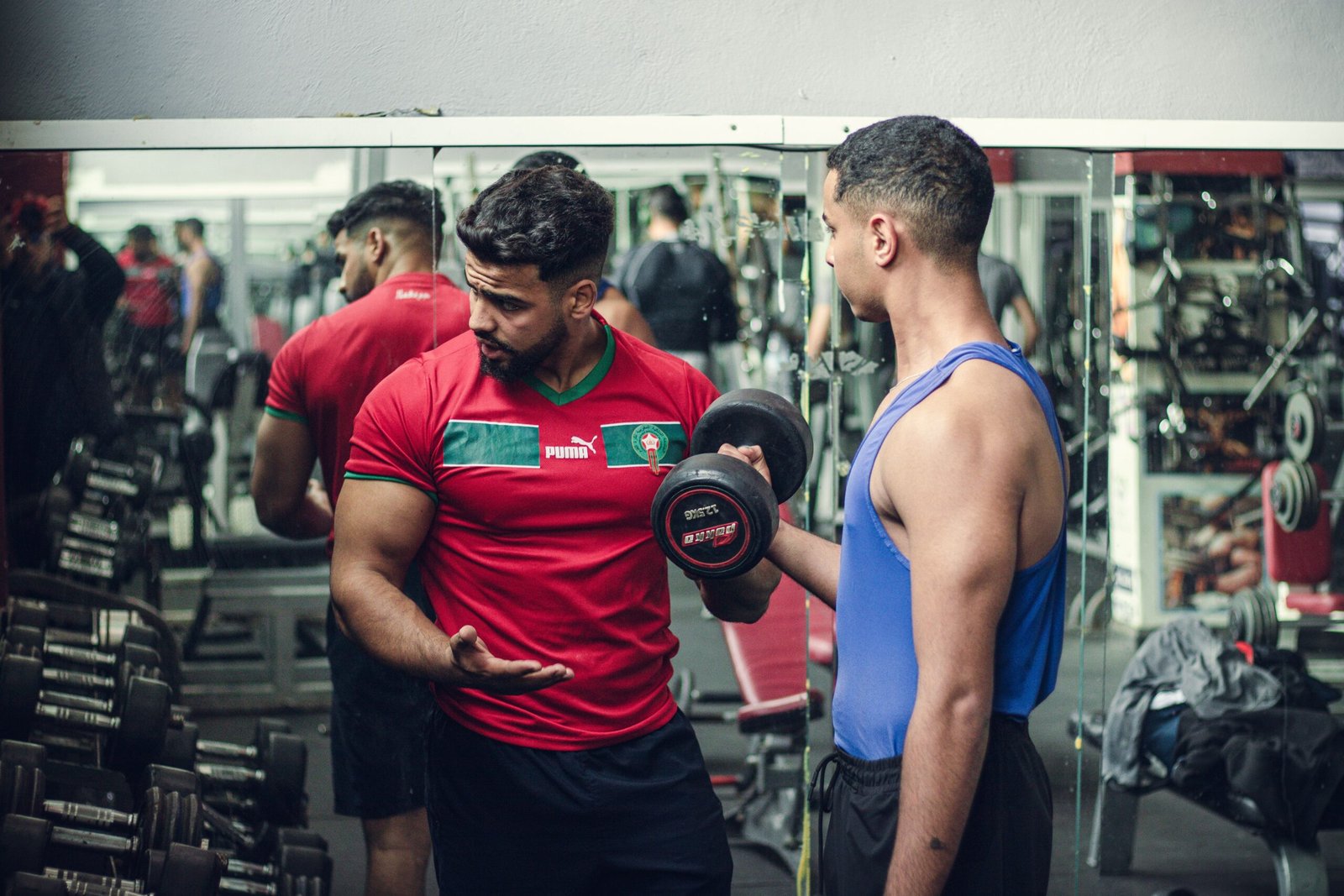
Losing weight can be challenging when you do not know where to start. You may need help choosing exercises, planning workouts, and building healthy eating habits. An affordable personal trainer near you can make this process easier. A good trainer provides guidance, motivation, and a workout plan that matches your fitness level.
However, you do not need to spend a lot of money to improve your fitness. You can compare local gyms, independent trainers, small-group classes, and online coaching. Each option offers different benefits. The key is to find a trainer who understands your goals and respects your budget.
With the right support, you can build a regular exercise routine and improve your overall health. This guide explains how to find a suitable trainer, choose effective exercises, and maintain healthy habits for long-term weight loss.
Why Choose an Affordable Personal Trainer for Weight Loss?
A personal trainer helps you follow a structured fitness plan. Instead of guessing which exercises to perform, you can work towards clear and realistic goals.
Moreover, a trainer can help you improve your exercise technique. This guidance is especially useful if you are new to the gym.
Here are some important benefits:
- Personalised workouts: Your trainer can adapt exercises to your fitness level.
- Better motivation: Regular sessions can help you stay consistent.
- Safer exercise: Proper instruction helps you learn correct movements.
- Progress tracking: You can monitor changes in strength, stamina, and fitness.
- Flexible routines: Your trainer can adjust workouts to fit your schedule.
You do not need daily personal training to make progress. Instead, you can combine a few supervised sessions with independent workouts.
How to Find an Affordable Personal Trainer Near Me
Finding the right trainer starts with researching the options in your area. Choose someone who offers suitable guidance and makes your fitness routine easier to maintain.
1. Search for Local Gyms
First, look for gyms near your home or workplace. A nearby gym can save travel time and help you exercise regularly.
Ask whether the gym offers personal training for beginners. Also, check whether exercise guidance is included in the membership or requires an additional service.
Before joining, visit the facility if possible. Check the equipment, cleanliness, training environment, and availability of coaches.
2. Compare Independent Personal Trainers
Independent trainers may work in gyms, private studios, outdoor spaces, or clients’ homes. Their training methods and experience can vary.
Therefore, ask about their qualifications and experience with weight-loss clients. Find out whether they provide individual workout plans and regular progress reviews.
You should also discuss your goals before committing to a long-term program.
3. Consider Small-Group Personal Training
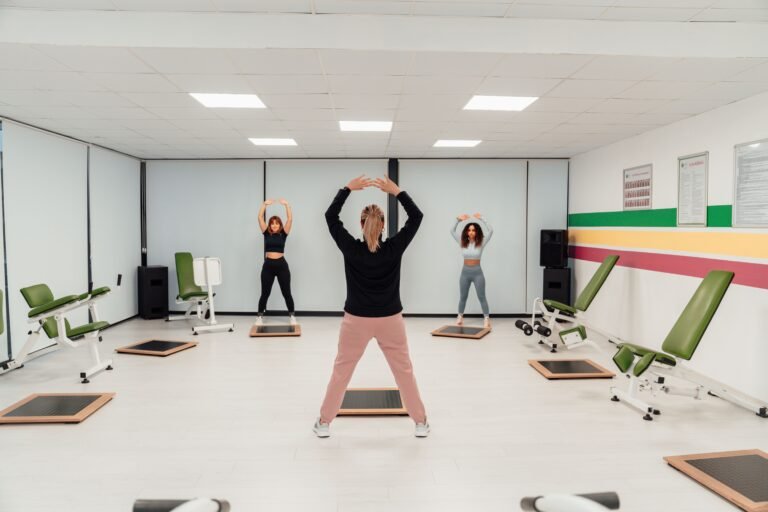
Small-group training allows several people to exercise under one coach. It can provide professional guidance in a social setting.
Additionally, group sessions may be more affordable than individual coaching. They can suit beginners who enjoy exercising with other people.
However, make sure the trainer has enough time to supervise each participant and correct exercise techniques.
4. Explore Online Personal Training
Online coaching is another option if local trainers do not suit your schedule. Depending on the programme, you may receive workout plans, exercise videos, and regular feedback.
This approach can be convenient for people who prefer exercising at home.
However, online coaching may offer less direct supervision. Beginners should consider an in-person assessment to learn important movements safely.
What Should You Look for in a Weight-Loss Trainer?
Choosing the right trainer involves more than finding someone who exercises regularly. You need a professional who understands your goals and provides appropriate guidance.
Check Qualifications and Experience
Ask about relevant fitness qualifications and practical experience. A good trainer should understand exercise technique, workout planning, and basic fitness safety.
Furthermore, look for experience working with beginners. A trainer should be comfortable adjusting exercises to different ability levels.
Request a Personalised Fitness Assessment
Before creating your programme, a trainer should ask about your activity level, exercise history, goals, and available time.
They should also ask about injuries or health concerns that may affect your workouts.
This information helps the trainer select suitable exercises and set realistic starting goals.
Choose a Balanced Workout Plan
An effective programme often includes strength training, aerobic exercise, and recovery.
Strength training helps maintain muscle during weight loss. Meanwhile, walking, cycling, and swimming support cardiovascular fitness.
Your trainer should increase the difficulty gradually. Very intense workouts are not necessary for beginners.
Look for Realistic Progress Tracking
Weight loss does not happen at the same rate for everyone. Therefore, a good trainer should focus on steady progress rather than quick results.
Progress can include improved stamina, greater strength, better exercise technique, and changes in body measurements.
Daily weight changes are normal. For this reason, avoid judging your progress by a single measurement.
Best Exercises for Weight Loss
The best exercises are those you can perform safely and consistently. Your trainer can choose movements that match your fitness level and preferences.
Walking and Brisk Walking
Walking is a simple way to increase daily activity. It requires little equipment and can fit into most schedules.
Start with short walks if you are a beginner. Then, increase the duration or pace as your fitness improves.
You can also walk outdoors or use a treadmill at the gym.
Strength Training
Strength training helps build and maintain muscle. It can also improve everyday movement and physical performance.
Suitable exercises may include squats, supported lunges, rows, chest presses, and resistance-band movements.
However, learn the correct technique before increasing the weight or resistance.
Cycling
Cycling provides aerobic exercise and can be adjusted to your ability. You can use a stationary bike at home or cycle outdoors.
It may also suit people who prefer a lower-impact activity to running.
Start at a comfortable pace. Gradually increase your workout time as your stamina improves.
Low-Impact Cardio
Swimming, elliptical training, and other low-impact activities can support your fitness routine.
These options may be useful if high-impact exercise feels uncomfortable. However, your trainer should consider your individual needs and limitations.
If you have persistent joint pain or a medical condition, seek advice from a healthcare professional before starting a new programme.
Core Exercises
Core exercises strengthen the muscles around your trunk. Examples include bird dogs, modified planks, and other controlled movements.
However, these exercises do not specifically burn belly fat. Overall fat loss depends on several factors, including nutrition, activity, sleep, and individual health.
A Simple Weekly Workout Plan for Beginners
A balanced routine can help you develop consistency without making exercise feel overwhelming.
Here is an example of a beginner-friendly schedule.
Monday: Full-Body Strength Training
Perform suitable exercises for your major muscle groups. Focus on correct technique and controlled movements.
Tuesday: Walking
Take a comfortable walk and gradually increase your duration. Choose a pace that allows you to remain in control of your breathing.
Wednesday: Strength and Technique
Practise basic strength exercises. A personal trainer can help you improve your form and adjust the difficulty.
Thursday: Light Activity
Choose gentle walking, mobility exercises, or another comfortable activity. This day can support recovery.
Friday: Full-Body Workout
Repeat suitable strength exercises. Increase resistance only when you can perform the movements correctly.
Saturday: Enjoyable Cardio
Try cycling, swimming, or walking. Choose an activity that you enjoy and can maintain.
Sunday: Rest and Recovery
Allow your body time to recover. Gentle movement is optional if it feels comfortable.
Beginners may need fewer sessions at first. Your trainer can adjust this schedule according to your ability, health, and recovery.
Stop exercising if you experience chest pain, faintness, or unusual shortness of breath. Seek appropriate medical care when needed.
Healthy Eating Habits That Support Weight Loss
Exercise is important, but everyday food choices also affect weight management. You can begin with simple changes rather than following a strict diet.
Build Balanced Meals
Include vegetables, fruit, protein, and suitable portions of carbohydrate-rich foods.
Affordable protein options may include eggs, lentils, beans, chickpeas, and plain yoghurt. Choose foods that suit your dietary needs and preferences.
Pay Attention to Portion Sizes
Large portions and frequent high-calorie drinks can make weight management more difficult.
Start by reviewing your usual eating habits. Then, make gradual changes that feel realistic.
You do not need to remove every favourite food from your diet. A flexible approach can be easier to maintain over time.
Drink Water Regularly
Water is a practical everyday drink. Replacing some sugary drinks with water may help reduce your calorie intake.
Keep water available throughout the day, especially when exercising in warm weather.
Get Enough Sleep
Sleep supports recovery and general well-being. Poor sleep can also affect energy levels and appetite.
Try to follow a regular sleep schedule. In addition, allow enough recovery time between demanding workouts.
Seek Qualified Nutrition Advice
A personal trainer may provide general healthy-eating guidance. However, complex dietary needs require professional advice.
Consider consulting a registered dietitian if you need a personalised nutrition plan or have a medical condition that affects your diet.
How to Make Personal Training More Affordable
You can reduce your training expenses without giving up useful guidance. The key is to choose a programme that matches your needs.
Combine Supervised and Independent Workouts
Ask your trainer to teach you basic exercises and create a suitable workout plan. You can then complete some sessions independently.
Occasional follow-up appointments can help you review your technique and update your programme.
Train With a Friend
Shared training may reduce the cost per person. It can also make workouts more enjoyable.
However, check that the trainer can supervise both participants safely.
Ask About Trial Sessions
A trial session gives you an opportunity to assess the trainer’s communication and coaching style.
Use this session to discuss your goals and ask questions about the proposed programme.
Choose a Convenient Location
A gym close to your home or workplace can make regular exercise easier. It may also reduce travel time and transport expenses.
Consistency matters more than choosing a facility that is difficult to reach.
Avoid Unnecessary Fitness Products
You do not need expensive supplements, detox drinks, or fat-burning products to begin exercising.
Focus on regular physical activity, balanced meals, and adequate recovery. Ask a qualified healthcare professional before using supplements, especially if you take medication.
Common Mistakes to Avoid When Hiring a Trainer
Choosing the wrong trainer can waste your time and make exercise less enjoyable. Avoid these common mistakes when comparing your options.
Choosing Only by Price
An affordable service should still provide safe instruction and suitable guidance. Compare qualifications, experience, and included services before making a decision.
Expecting Immediate Results
Weight loss takes time, and results differ between individuals. A responsible trainer will encourage realistic goals and steady progress.
Following Extreme Workout Plans
Very intense exercise is not necessary for everyone. Starting too quickly may increase fatigue and make your routine difficult to maintain.
Instead, increase your activity gradually and allow time for recovery.
Ignoring Your Personal Needs
Your programme should reflect your fitness level, preferences, schedule, and limitations. Tell your trainer if an exercise causes pain or feels unsuitable.
Agreeing to Unclear Terms
Before paying, check the cancellation policy, session expiry dates, and any additional charges. Make sure you understand exactly what the programme includes.
Avoid trainers who guarantee dramatic weight loss or pressure you to buy unnecessary products.
Is an Affordable Personal Trainer Worth It?
An affordable personal trainer can be helpful if you need motivation, structure, or support with exercise technique. Professional guidance may also make it easier to establish a regular routine.
However, individual coaching is not essential for everyone. Some people prefer group classes or independent workouts.
If your budget is limited, consider starting with a few sessions. Use them to learn basic exercises and develop a manageable fitness plan.
You can then exercise independently and arrange follow-up sessions when needed. This approach allows you to benefit from professional guidance while keeping your routine flexible.
Conclusion
Finding an affordable personal trainer near you for weight loss starts with comparing local gyms, independent coaches, group sessions, and online programmes. Choose a trainer who understands your goals and provides safe, personalised guidance.
You can also make your fitness routine more manageable by combining coached sessions with independent workouts. Regular walking, strength training, balanced meals, and adequate sleep can support your progress.
Most importantly, focus on habits you can maintain. You do not need expensive packages or extreme workouts to begin. With consistency, realistic goals, and suitable guidance, you can build a healthier lifestyle over time.
Frequently Asked Questions
1. How do I find an affordable personal trainer near me for weight loss?
Search for local gyms, independent trainers, and small-group classes. Compare qualifications, coaching methods, and services before choosing a trainer.
2. Can a personal trainer help me lose weight?
Yes. A personal trainer can create a suitable exercise plan, teach correct techniques, and help you maintain consistency. Results also depend on nutrition, daily activity, sleep, and individual factors.
3. How often should I train with a personal trainer?
Your training schedule depends on your fitness level, goals, and budget. Some beginners benefit from one or two supervised sessions each week, combined with independent exercise.
4. Is online personal training effective for weight loss?
Online training can provide workout plans, exercise demonstrations, and progress reviews. However, the level of supervision varies. Beginners may benefit from in-person guidance when learning new exercises.
5. What should I avoid when choosing a weight-loss trainer?
Avoid trainers who guarantee rapid results, recommend extreme diets, or pressure you to purchase unnecessary products. Choose someone with suitable qualifications, clear communication, and realistic expectations.