The 20 Kilomètres de Paris 2026 is one of the major road-running events on France’s autumn sports calendar. Also known as the Harmonie Mutuelle 20km de Paris, the race will take place on Sunday, October 11, 2026, in Paris, France. The 48th edition will bring runners together for a 20-kilometre challenge through some of the French capital’s most famous streets and landmarks. According to the official event website, the race will start at Pont d’Iéna near the Eiffel Tower at 9:00 a.m., with the finish line near the iconic monument. The event combines competitive running, physical fitness, tourism, and community participation. It is expected to attract thousands of participants, including experienced athletes and recreational runners. The 2026 edition also highlights health, inclusion, and solidarity, making it an important event for the French running community. With music along the route and a scenic course, the Paris 20K offers an exciting experience for runners and spectators alike.
20 Kilomètres de Paris 2026: Event Overview
The Harmonie Mutuelle 20km de Paris is a popular annual road race that attracts runners from France and other countries. Its 2026 edition marks the 48th running of the event, continuing a tradition that began in 1979.
Here are the main details:
- Event: Harmonie Mutuelle 20km de Paris
- Date: Sunday, October 11, 2026
- Location: Paris, France
- Distance: 20 kilometres
- Starting point: Pont d’Iéna
- Start time: 9:00 a.m. local time
- Finish area: Near the Eiffel Tower
- Edition: 48th
- Organiser: Club des 20 km de Paris
- Official website: https://harmonie-mutuelle.20kmparis.com/
The event is recognised for its combination of athletic competition and sightseeing. Participants can experience the atmosphere of Paris while completing a demanding road-running challenge.
The organisers have also incorporated themes of health, inclusion, and solidarity into the 2026 edition.
When Is the 20 Kilomètres de Paris 2026?
The 20 Kilomètres de Paris 2026 will take place on October 11, 2026. The main race is scheduled to begin at 9:00 a.m. at Pont d’Iéna.
The race weekend also includes activities for younger participants. The official French Athletics Federation calendar lists the 20 Kids de Paris events on October 10, with distances of 1,000 metres and 2,000 metres.
These shorter races give children an opportunity to participate in a sporting event and develop an interest in running.
The main 20-kilometre race is designed for eligible adult participants, including experienced distance runners and recreational athletes who have prepared for the challenge.
According to the official event website, registrations for the in-person 2026 race are sold out. Anyone planning to attend should check the organiser’s website for official announcements, spectator information, and any remaining opportunities to participate through authorised channels.
The History of the Paris 20K Race
The history of the 20 Kilomètres de Paris dates back to October 28, 1979, when approximately 8,000 runners took part in the first edition.
The event was inspired by French distance-running great Michel Jazy, whose influence helped establish the race as an important fixture on the French running calendar.
Over the years, the competition has developed into a major road-running event. It has attracted both competitive athletes seeking strong performances and amateur runners aiming to complete a challenging distance.
The race’s growth reflects the wider popularity of running as an accessible form of physical activity. Unlike some sports that require specialised facilities, road running can be practised by people with different levels of experience and fitness.
The Paris event also benefits from its location. Its course passes through areas associated with the city’s cultural identity, making it attractive to international visitors as well as local residents.
The 2026 edition continues this tradition under the name Harmonie Mutuelle 20km de Paris, reflecting the involvement of its title partner.
Route and Famous Paris Landmarks
One of the biggest attractions of the 20 Kilomètres de Paris 2026 is its route through western Paris.
The race starts at Pont d’Iéna, close to the Eiffel Tower, and takes runners through a series of well-known locations before returning to the finish area near the monument.
The official route features landmarks and locations including:
- Pont d’Iéna
- The Eiffel Tower
- Trocadéro
- Arc de Triomphe
- Bois de Boulogne
- Roland-Garros
- Maison de la Radio
- The banks of the Seine
- Pont Royal
- The surrounding areas of the Grand Palais and Tuileries Gardens
The route offers a distinctive combination of urban roads, riverside views, and green spaces.
However, participants should remember that a scenic course remains a physical challenge. Running 20 kilometres requires pacing, preparation, and attention to hydration, especially for athletes who are attempting the distance for the first time.
Runners should consult the official route map and event instructions before race day because road arrangements and access restrictions may affect participants and spectators.
Fitness and Preparation for the 20-Kilometre Race
Preparing for a 20-kilometre road race requires a sensible training plan. Athletes need to develop endurance gradually rather than attempting the full distance without preparation.
A suitable training programme can include easy runs, longer weekly runs, recovery sessions, and basic strength exercises.
Beginners should build their running distance progressively. Experienced runners may focus on improving their pace, maintaining a steady effort, and preparing for the specific conditions of the course.
Strength training can also support running performance. Exercises that develop the legs, hips, and core may help runners maintain good form during longer sessions.
Recovery is equally important. Rest days, adequate sleep, and balanced nutrition help the body adapt to training.
Anyone with a medical condition or concerns about starting a demanding exercise programme should seek appropriate professional advice before training.
Why pacing matters
Starting too quickly can make the second half of a 20-kilometre race much harder. Runners should choose a realistic target based on their training and experience.
Maintaining a comfortable early pace can help preserve energy for the later kilometres. Participants should also practise their planned race-day breakfast and hydration routine during training rather than experimenting with unfamiliar products on the morning of the event.
Hydration and Nutrition During the Race
Hydration is an important part of distance running. The official event information lists hydration points at kilometres 3, 12, and 18, with additional refreshment stations at kilometres 5, 10, 15, and the finish.
The published arrangements include water and other refreshments, with the precise distribution depending on the station.
Runners should review the latest official instructions and plan their hydration according to their needs, weather conditions, and expected finishing time.
For a 20-kilometre race, a familiar pre-race meal and appropriate fluid intake can help participants feel prepared. Runners who are accustomed to consuming carbohydrates during exercise may also plan their intake according to their training experience.
Weather conditions can influence hydration requirements, even in autumn. Participants should avoid relying on a single rigid hydration target and instead prepare sensibly for the conditions.
Music, Atmosphere and the Spectator Experience
The 20 Kilomètres de Paris is more than a test of running ability. Music and entertainment contribute to the atmosphere throughout the course.
The 2026 event information highlights musical groups and orchestras along the route, creating an encouraging environment for participants.
Spectators can support runners from suitable public viewing areas, subject to event rules and local access arrangements. The areas around the Eiffel Tower and other landmarks may be particularly busy during the event.
Visitors should plan their journeys in advance and check transport updates, road closures, and spectator guidance before travelling.
For runners, the support of spectators and fellow participants can make the challenge more enjoyable. Community encouragement is an important feature of mass-participation running events.
The 2026 Event’s Health and Solidarity Focus
The 2026 edition places particular emphasis on health, inclusion, and solidarity. Its official charity partner is the Association Grégory Lemarchal, which supports cystic fibrosis research, works to improve the daily lives of affected people, and raises awareness of organ donation.
The organisers state that €3 from each individual race entry and €12 from each pack will be donated to support the association.
This charitable element gives the event a purpose beyond sporting achievement. It connects physical activity with public awareness and support for people affected by serious health challenges.
The event’s focus on participation also reflects the role that community sports can play in encouraging people to become more active.
Race Records and Competitive Running
Although many participants enter the Paris 20K to enjoy the experience or achieve a personal goal, the event also has a competitive history.
The official Paris tourism listing identifies historic course records set in 2005 by Kenyan runners Evans Kiprop Cheruiyot and Rose Chelimo. Cheruiyot’s listed men’s record is 57 minutes and 19 seconds, while Chelimo’s listed women’s record is 1 hour, 5 minutes, and 1 second.
These performances illustrate the high level of endurance and speed required to compete at the front of a major road race.
Elite athletes typically combine years of structured training with carefully planned pacing, recovery, nutrition, and race strategy.
Recreational runners should not compare their personal goals directly with elite performances. Completing the distance safely, improving a previous time, or enjoying the event can all be worthwhile achievements.
Registration and Important Race-Day Information
The official event website currently marks the 2026 in-person race as sold out. Previously published entry prices varied according to registration category and availability, so prospective participants should not assume that standard entries remain available.
For people who have already registered, the most important steps are to review their confirmation documents, check their bib collection arrangements, and follow the organiser’s latest instructions.
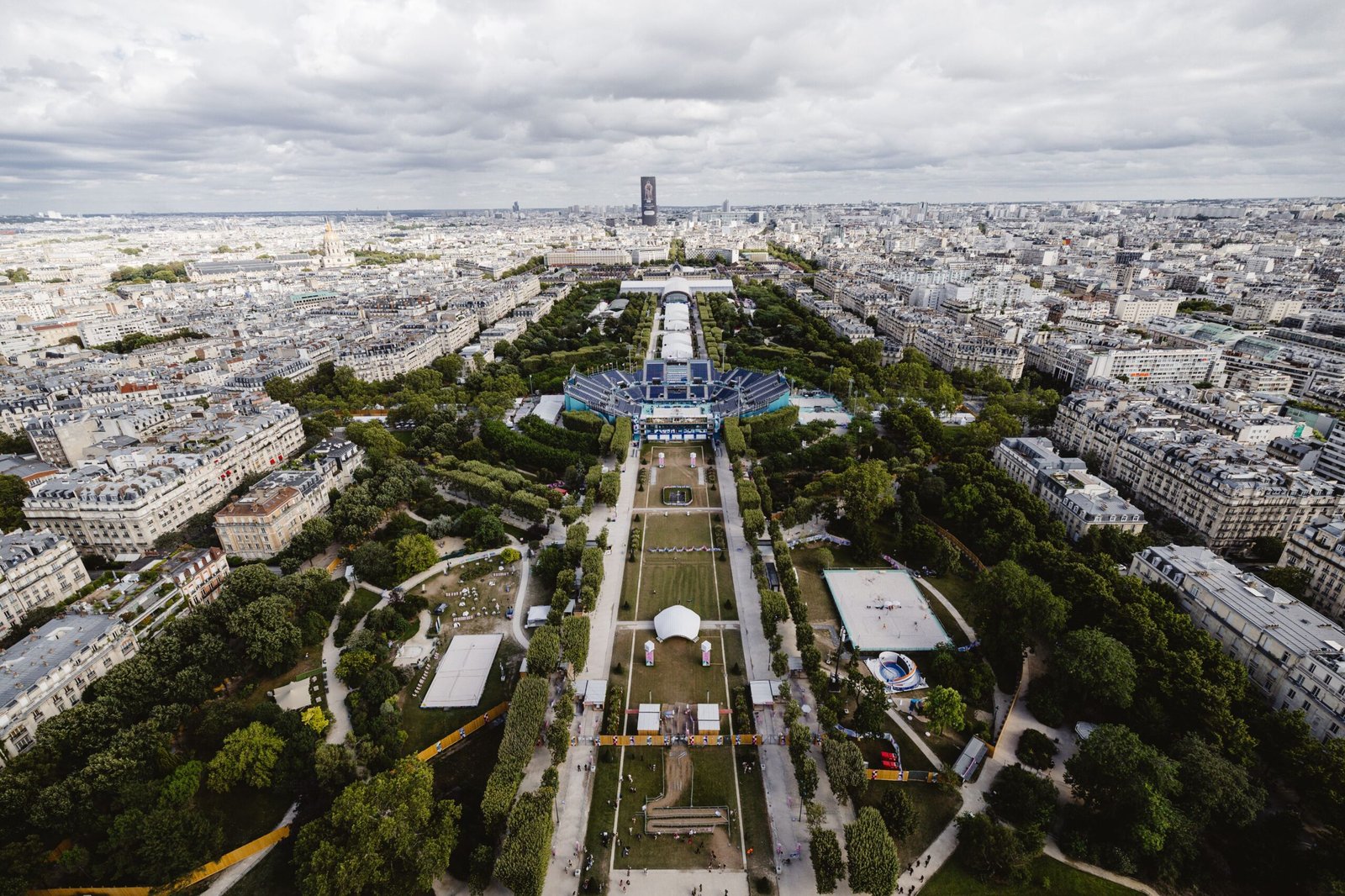
The official event information lists the race village at Champ-de-Mars and provides details about bib collection and participant services.
Runners should also check the following before race day:
- Their assigned start arrangements and arrival time
- The official route and access restrictions
- Bib collection instructions
- The location of hydration and refreshment stations
- Medical assistance arrangements
- Public transport options
- The latest weather forecast
The organiser provides medical support at designated points along the course and at the start and finish areas. Participants should follow instructions from event staff and medical personnel.
Why the 20 Kilomètres de Paris 2026 Matters
The 20 Kilomètres de Paris 2026 is an important event for France’s running and fitness community. It brings together competitive athletes, amateur runners, families, volunteers, and spectators for a major sporting occasion.
Its 20-kilometre course challenges participants to develop endurance, manage their pace, and complete a demanding distance. At the same time, its route showcases some of Paris’s most recognisable landmarks.
The event’s charitable focus also demonstrates how sports competitions can support causes beyond the finish line.
For the running community, the race offers an opportunity to celebrate physical activity, personal progress, and shared achievement. For visitors, it provides a different perspective on Paris, experienced through the energy of a major road-running event.
As the October 11 race approaches, registered participants should focus on preparation, recovery, and the official event guidance. Spectators and visitors can follow the organiser’s updates to make the most of the occasion.
The 48th edition of the Harmonie Mutuelle 20km de Paris promises to bring together sport, city life, and solidarity in the heart of the French capital.
The 20 Kilomètres de Paris 2026 will take place on October 11, bringing another edition of one of France’s best-known urban running events to the streets of Paris. With a 20-kilometre course, an iconic start and finish area, and a focus on health and solidarity, the event appeals to competitive runners and the wider sporting community. Participants should follow the official organiser’s guidance for race-day arrangements and any final updates.
Frequently Asked Questions
1. When will the 20 Kilomètres de Paris 2026 take place?
The event is scheduled for Sunday, October 11, 2026. The main 20-kilometre race is due to start at 9:00 a.m. local time.
2. Where does the Paris 20K start and finish?
The race starts at Pont d’Iéna near the Eiffel Tower and finishes near the Eiffel Tower in Paris.
3. How long is the 20 Kilomètres de Paris race?
The main race covers 20 kilometres through western Paris and the Bois de Boulogne.
4. Can runners still register for the 2026 event?
The official website currently lists the in-person event as sold out. Check the official organiser’s website for any authorised updates or alternative participation information.
5. What makes the 20 Kilomètres de Paris special?
The event combines a challenging road-running course with views of famous Paris landmarks, music along the route, international participation, and a charitable focus supporting the Association Grégory Lemarchal.